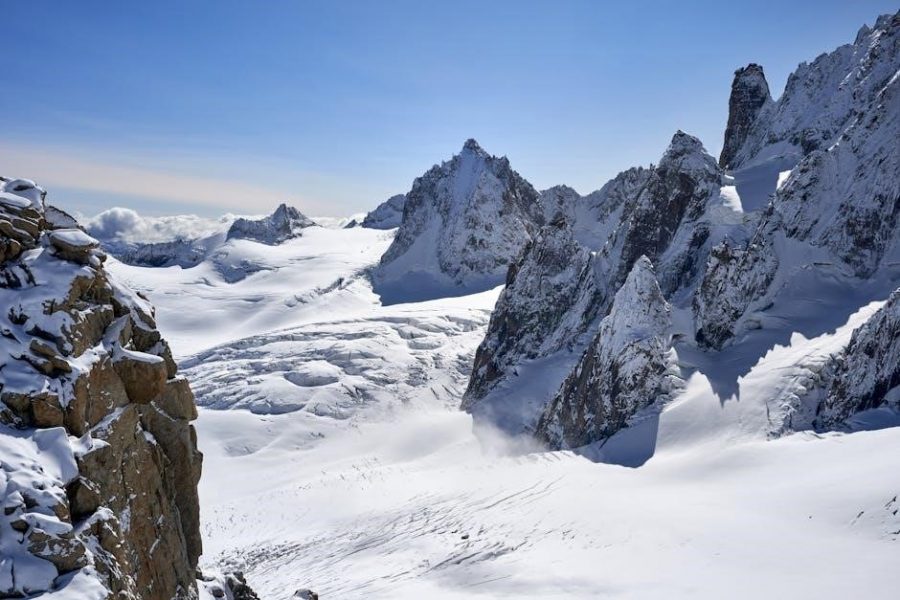
Alps Guides: A Comprehensive Overview (as of 04/15/2026)
Alpine Hikers provides personalized tours throughout Switzerland, Italy, and France, offering self-guided, private, and group options for an unforgettable hiking vacation experience.
Alps guiding encompasses a rich tradition of expertise, facilitating safe and rewarding experiences in this majestic mountain range. Whether you’re envisioning a challenging ascent of Mont Blanc, a multi-day trek through the Swiss Alps, or exploring the via ferratas of the Dolomites, a knowledgeable guide is invaluable.
Today’s options range from fully supported group tours with guaranteed departures, to bespoke private itineraries tailored to individual skill levels and preferences. Even self-guided adventures can benefit from logistical support and local insights.
The core principle remains consistent: enhancing your alpine journey with professional guidance, ensuring both enjoyment and safety amidst breathtaking scenery. Proper planning, utilizing resources like Cicerone guidebooks, and understanding map & compass skills are crucial components.
The Role of a Mountain Guide
A mountain guide’s role extends far beyond simply leading hikers along a trail. They are responsible for comprehensive risk management, constantly assessing weather conditions and potential hazards like avalanches. Safety is paramount, often requiring specialized training and certifications.
Guides possess in-depth local knowledge, understanding terrain, flora, fauna, and potential route changes. They expertly navigate using maps and compasses, and can adapt plans based on evolving circumstances.
Beyond technical skills, guides enrich the experience by sharing cultural insights and historical context. They provide logistical support, ensuring comfortable pacing and appropriate rest stops. Ultimately, a skilled guide transforms a hike into a deeply immersive and secure alpine adventure.
Types of Guided Experiences
Alpine Hikers specializes in diverse guided experiences to suit every preference and skill level. Group guided tours offer a sociable and cost-effective way to explore the Alps, with guaranteed departures to popular destinations like Mont Blanc, Switzerland, and the Dolomites.
For those seeking a more personalized adventure, private guided tours provide bespoke itineraries and undivided attention from a dedicated guide. Alternatively, self-guided tours with support blend independence with peace of mind, offering pre-planned routes, accommodation bookings, and logistical assistance.
Each option allows exploration of the Alps’ classic highlights, ensuring a memorable and fulfilling hiking vacation.
Group Guided Tours
Alpine Hikers’ group guided tours represent an excellent value for experiencing the beauty of the Alps alongside fellow enthusiasts. These tours boast guaranteed departures to iconic regions including the Swiss Alps, majestic Mont Blanc, and the stunning Dolomites, simplifying planning and logistics.
Benefits include a pre-planned itinerary, expert guidance from experienced mountain leaders, and a sociable atmosphere. Group sizes are carefully managed to ensure personalized attention and a comfortable hiking pace. These tours cater to various fitness levels, offering options for both moderate and challenging trails.
It’s a fantastic way to discover the Alps!
Private Guided Tours
Alpine Hikers specializes in crafting bespoke private guided tours throughout the Alps, offering unparalleled flexibility and personalization. These tours are ideal for families, small groups, or individuals seeking a tailored experience focused on their specific interests and abilities.
A dedicated mountain guide will work closely with you to design an itinerary that perfectly matches your preferences, whether it’s challenging ascents, leisurely valley walks, or exploring hidden gems off the beaten path. Enjoy the freedom to adjust plans on the fly and delve deeper into the local culture.
Private tours ensure an intimate and immersive Alpine adventure!
Self-Guided Tours with Support
Alpine Hikers offers a unique blend of independence and peace of mind with our self-guided tours, providing detailed route notes, maps, and logistical support throughout your journey. This option is perfect for experienced hikers who prefer to explore at their own pace but appreciate having a safety net.
We handle accommodation bookings, luggage transfers, and provide 24/7 emergency assistance, allowing you to fully immerse yourself in the stunning Alpine landscapes. Detailed itineraries include suggestions for points of interest, cultural experiences, and local dining options.
Enjoy the freedom of self-discovery with expert backing!
Key Regions for Alps Guiding
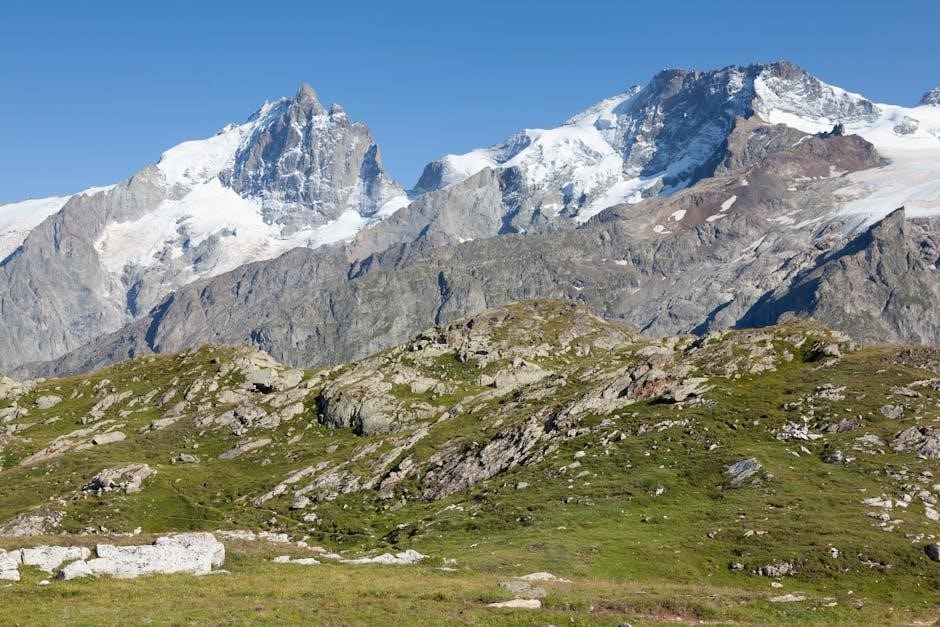
Guiding services are readily available in Switzerland, Mont Blanc, and the Dolomites, catering to diverse hiking preferences and skill levels for an epic adventure.
Switzerland
Switzerland offers a unique backpacking experience, diverging from the rugged, minimalist approach common elsewhere. Here, backpacking can involve comfortable accommodations and delightful culinary experiences amidst stunning Alpine scenery. Guided hiking tours in Switzerland cater to various skill levels, ensuring a safe and enjoyable exploration of its breathtaking landscapes.
For those venturing independently, a map and compass are essential tools, particularly for tackling tougher hikes. Cicerone publishes a highly-regarded series of guides specifically for the Alps, providing detailed route descriptions and helpful maps. These resources are invaluable for planning and navigating Swiss trails. Experienced guides are available to enhance your journey, offering local insights and expertise.
Swiss Alps Hiking Focus
Swiss Alps hiking emphasizes both challenging ascents and leisurely strolls through picturesque valleys. Guided tours cater to all fitness levels, from beginner-friendly paths to demanding multi-day treks. These tours often feature guaranteed departures to popular regions, simplifying planning for hikers. The focus is on immersive experiences, connecting visitors with the natural beauty and cultural richness of Switzerland.
Many itineraries prioritize stunning views, charming villages, and opportunities for wildlife spotting. Utilizing resources like Cicerone guidebooks alongside map and compass skills ensures confident navigation. Local guides provide invaluable knowledge of trails, weather patterns, and hidden gems, enhancing the overall hiking experience within the Swiss Alps.
Backpacking in the Swiss Alps
Backpacking in the Swiss Alps presents a unique experience, differing from rugged backpacking elsewhere. While traditional gear is still essential – boots, packs, and sleeping pads – the Swiss Alps often offer a network of well-maintained mountain huts and established trails. This allows for a more comfortable, supported backpacking adventure, reducing the need to carry extensive camping equipment.
Guides can assist with route planning, hut reservations, and logistical support, ensuring a smooth and enjoyable trek. Utilizing maps and compass skills remains crucial, even with established paths. Backpacking here immerses hikers in Alpine life, offering opportunities to experience Austrian mountain huts and the region’s unique culture alongside breathtaking scenery.
Mont Blanc
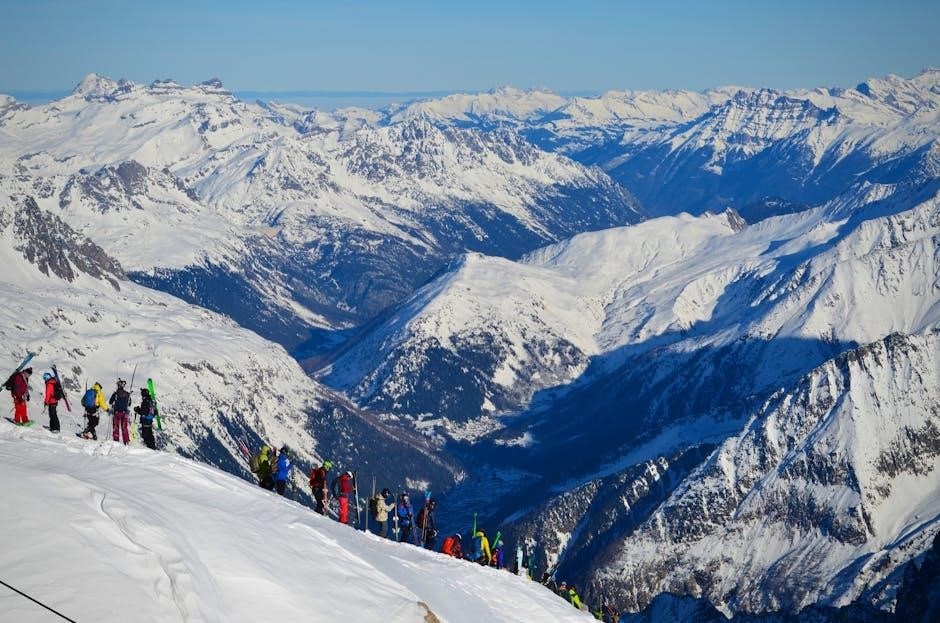
Mont Blanc, the highest peak in the Alps, presents a significant challenge and a highly sought-after destination for guided mountaineering. Alpine Hikers offers guaranteed departures to Mont Blanc, providing expertly guided tours for various skill levels. Guiding on Mont Blanc routes requires specialized knowledge and experience due to the complex terrain and rapidly changing conditions.
Successful ascents demand careful consideration of factors like weather patterns, avalanche risk, and altitude acclimatization. Guides play a vital role in assessing these risks and adapting plans accordingly. Choosing a guide with proven experience and appropriate qualifications and certifications is paramount for a safe and rewarding Mont Blanc experience.
Guiding on Mont Blanc Routes
Guiding on Mont Blanc routes necessitates a deep understanding of glaciology, crevasse rescue techniques, and high-altitude physiology. Experienced guides meticulously assess snow conditions and potential avalanche hazards before and during ascents. They expertly navigate complex terrain, utilizing fixed ropes where necessary, and ensure client safety through constant monitoring and communication.
Routes like the Goûter Route and the Bosses Route demand specific skill sets from guides, including efficient rope management and the ability to make critical decisions under pressure. A successful guide provides not only technical expertise but also motivational support and a comprehensive understanding of the mountain’s history and environment, enriching the overall experience.
Challenges and Considerations for Mont Blanc Guiding
Mont Blanc guiding presents unique challenges due to rapidly changing weather patterns and significant altitude gains. Guides must constantly monitor forecasts and adapt plans accordingly, prioritizing client safety above summit attempts. The mountain’s popularity leads to overcrowding on key routes, requiring careful management of ascent timing and spacing to mitigate risks.
Furthermore, guides must be prepared for potential altitude sickness and its management, carrying appropriate medical supplies and knowing evacuation procedures. The physical demands on both guides and clients are substantial, necessitating careful pacing and acclimatization strategies. Responsible guiding also involves minimizing environmental impact and promoting sustainable practices on this iconic peak.
The Dolomites (Italy)
The Dolomites offer a spectacular setting for guided hiking and trekking experiences, renowned for their dramatic peaks and via ferrata routes. Alpine Hikers provides expertly guided tours throughout this Italian mountain range, catering to various skill levels and preferences. Exploring the Dolomites with a guide unlocks access to hidden trails and local insights, enhancing the overall adventure.
Guides in the Dolomites specialize in navigating the unique terrain and ensuring client safety. They possess in-depth knowledge of the region’s history, geology, and flora & fauna. Whether embarking on a multi-day trek or tackling a challenging via ferrata, a knowledgeable guide elevates the experience.
Via Ferrata Guiding in the Dolomites
Via Ferrata, or “iron paths,” in the Dolomites require specialized skills and equipment, making a guide essential for most adventurers. Alpine Hikers’ certified guides provide comprehensive instruction on using via ferrata kits – including harnesses, helmets, and lanyards – ensuring safe progression along these exposed routes. They expertly assess conditions, manage risks, and offer technical assistance when needed.
Guiding services extend beyond technical proficiency; guides share knowledge of the route’s history, geological features, and surrounding landscapes. They select appropriate via ferrata routes based on client experience and fitness levels, maximizing enjoyment and minimizing challenges. A guided via ferrata experience unlocks access to breathtaking views and thrilling climbs within the Dolomites.
Dolomites Trekking with a Guide
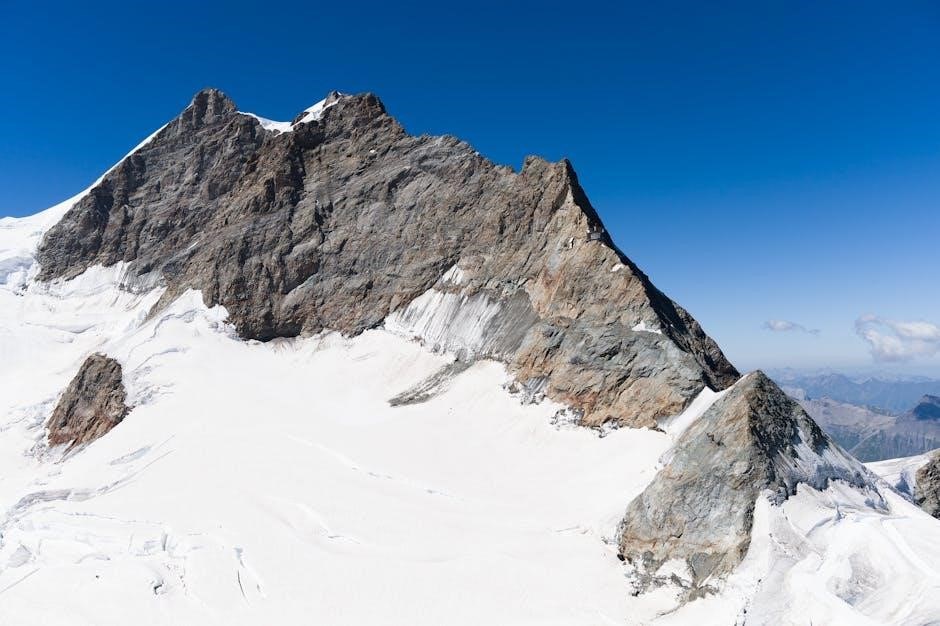
Trekking the Dolomites with a guide elevates the experience, offering logistical support and enriching insights into this UNESCO World Heritage site. Alpine Hikers’ guides expertly plan itineraries, secure accommodations (rifugios), and manage baggage transfers, allowing clients to focus solely on enjoying the trails. They possess in-depth knowledge of local flora, fauna, and cultural heritage, enhancing the journey.
Guides provide valuable navigation assistance, ensuring trekkers stay on course and discover hidden gems. They also monitor weather conditions, adapting plans as needed to prioritize safety and comfort. Whether it’s a multi-day hut-to-hut trek or a shorter day hike, a guide unlocks a deeper connection with the stunning Dolomite landscape, providing a seamless and unforgettable adventure.
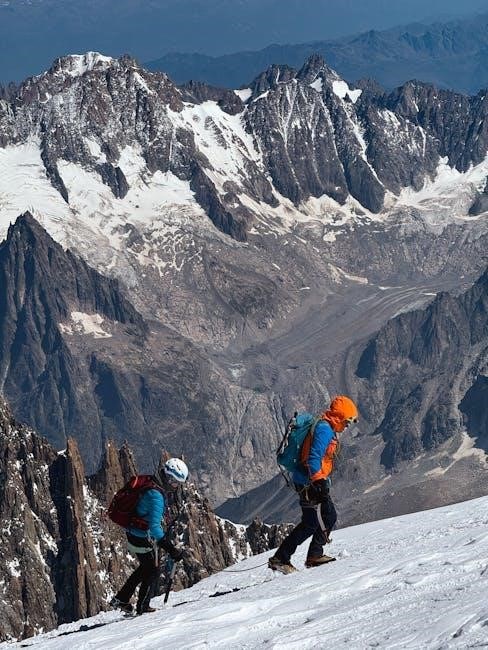
Essential Guide Resources
Cicerone publishes excellent hiking and trekking guides to the Alps, complete with detailed route descriptions and helpful maps for navigation purposes.
Cicerone Guidebooks
Cicerone stands out as a premier publisher specializing in detailed guides for outdoor enthusiasts exploring the Alps. Their extensive series covers hiking, trekking, cycling, and bikepacking, offering a wealth of information for all skill levels. These guidebooks aren’t simply lists of trails; they provide comprehensive route descriptions, meticulously researched maps, and valuable insights into the terrain and local conditions.
What sets Cicerone apart is their commitment to accuracy and practicality. Each guidebook is carefully updated to reflect changes in trails, accommodations, and transportation. They often include gradient profiles, estimated walking times, and suggestions for alternative routes, empowering hikers to plan their adventures confidently. For those venturing into the Alps, a Cicerone guidebook is an invaluable companion, enhancing both safety and enjoyment.
Maps and Compass Skills
While modern technology offers GPS and digital mapping, relying solely on these can be risky in the Alps. National Geographic emphasizes the enduring importance of traditional navigation skills – specifically, proficiency with a map and compass. Battery life can fail, signals can be lost in deep valleys, and devices can be damaged. Knowing how to read topographic maps, understand contour lines, and accurately take bearings with a compass is crucial for self-sufficiency.
These skills allow hikers to confidently navigate off-trail, assess terrain, and determine their location even without electronic assistance. Practicing map reading and compass work before a trip is essential. Combining these traditional methods with digital tools provides a robust and reliable navigation strategy for exploring the challenging and beautiful Alpine landscape.
Importance of Local Knowledge
Navigating the Alps effectively extends beyond map reading; leveraging local knowledge is paramount. Experienced guides, deeply familiar with the region, possess invaluable insights into rapidly changing weather patterns, trail conditions, and potential hazards. They understand subtle cues in the landscape that might indicate avalanche risk or approaching storms – information not readily available through general forecasts.
Alpine Hikers highlights the benefit of deeply local experiences. Local guides can also recommend hidden gems, culturally significant sites, and the best places for authentic regional cuisine. This intimate understanding enhances safety and enriches the overall hiking experience, transforming a simple trek into a truly immersive Alpine adventure. Their expertise is an invaluable asset.
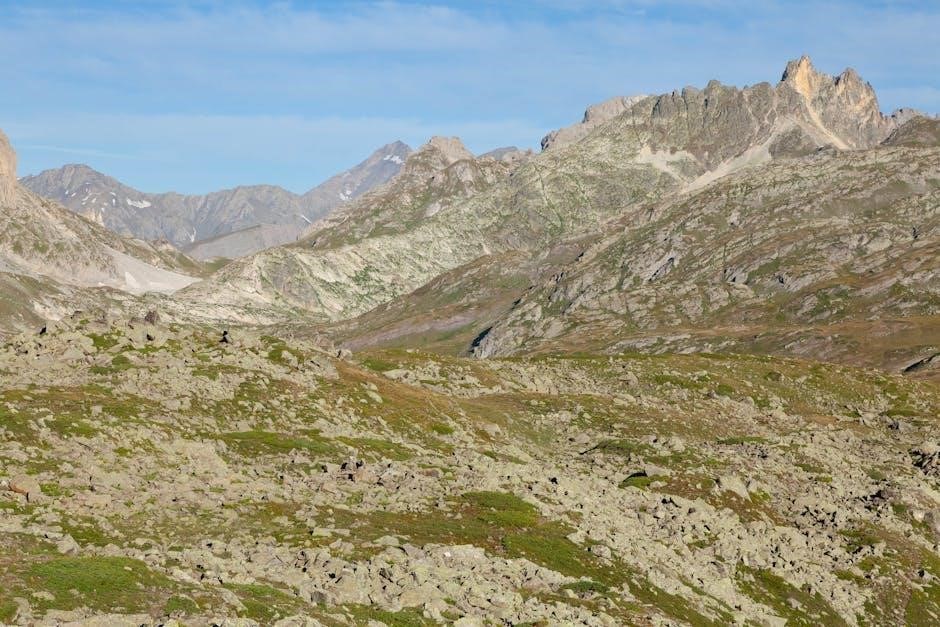
Choosing the Right Guide
Qualifications and certifications are key when selecting an Alps guide; ensure they possess the necessary credentials and demonstrate relevant experience and specialization.
Qualifications and Certifications
When embarking on an alpine adventure with a guide, verifying their qualifications is paramount for safety and a rewarding experience. Look for guides certified by recognized mountain guiding associations, demonstrating a commitment to professional standards. These certifications typically involve rigorous training in mountaineering skills, risk assessment, and emergency procedures.
Specific certifications vary by region, but often include qualifications in areas like rock climbing, ice climbing, and avalanche safety. A qualified guide will possess current first aid and CPR certifications, essential for handling potential medical situations in remote environments. Don’t hesitate to inquire about a guide’s specific training and experience – a reputable guide will be happy to provide details. Prioritizing properly certified guides ensures a higher level of expertise and preparedness throughout your journey.
Experience and Specialization
Beyond certifications, a guide’s practical experience and specialization significantly impact your alpine experience. Consider the type of terrain and activity you’ve planned – a guide specializing in via ferrata will differ from one focused on backpacking. Experienced guides possess in-depth knowledge of local conditions, including weather patterns, trail conditions, and potential hazards.
Years spent navigating the Alps translate to refined judgment and problem-solving skills. Inquire about a guide’s familiarity with your chosen region – Switzerland, Mont Blanc, or the Dolomites – and their experience leading trips similar to yours. Some guides specialize in challenging ascents, while others cater to beginner hikers. Matching your needs with a guide’s expertise ensures a safe, enjoyable, and enriching alpine adventure tailored to your skill level and preferences.
Client Reviews and Testimonials
Before committing to an Alps guide, thoroughly investigate client reviews and testimonials. These provide invaluable insights into past experiences, offering a realistic perspective beyond marketing materials. Look for consistent themes – positive comments regarding safety, knowledge, and communication skills are crucial indicators.
Pay attention to how guides handle challenges or unexpected situations, as described in reviews. Independent platforms and tour operator websites often host verified testimonials. A lack of reviews, or overwhelmingly positive ones that seem generic, should raise a flag. Genuine feedback reveals a guide’s professionalism, adaptability, and commitment to client satisfaction. Consider seeking direct references from previous clients for a more detailed understanding of their guiding style and capabilities.
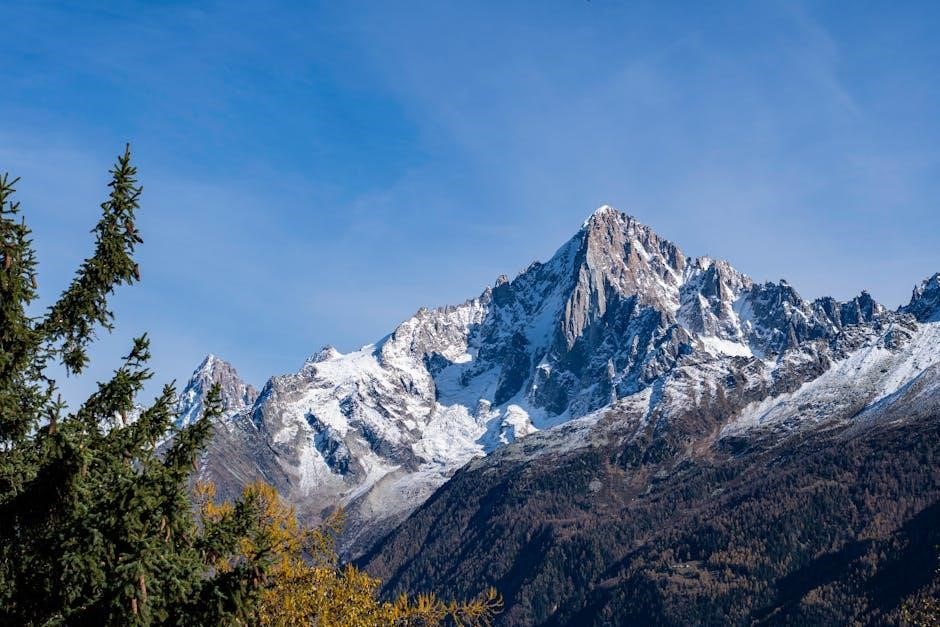
Safety Considerations When Using a Guide
Avalanche safety training and constant weather monitoring are paramount when hiking the Alps, alongside well-defined emergency procedures for a secure experience.
Avalanche Safety Training
Prior to embarking on any alpine adventure, comprehensive avalanche safety training is absolutely crucial. The mountainous terrain of the Alps presents significant avalanche risks, particularly during and after snowfall. A proper course will cover essential topics such as recognizing avalanche terrain, understanding snowpack stability, and utilizing avalanche safety equipment – transceiver, probe, and shovel – effectively;
Participants learn how to perform companion rescue, a vital skill in the event of an avalanche incident. Beyond equipment training, understanding weather patterns and their impact on snow stability is paramount. Guides often emphasize the importance of making informed decisions based on current avalanche forecasts and observed conditions. Investing in this training isn’t merely a precaution; it’s a fundamental aspect of responsible mountain travel, potentially saving lives.
Weather Monitoring and Adaptation
Alpine weather is notoriously unpredictable, shifting rapidly from sunshine to storms. Experienced guides prioritize continuous weather monitoring using multiple sources – detailed forecasts, real-time observations, and on-mountain assessments. This vigilance allows for proactive adaptation of plans, ensuring client safety and maximizing enjoyment.
Guides understand that flexibility is key. Routes may be altered, or even abandoned, if conditions deteriorate. They possess the expertise to interpret weather data and translate it into practical decisions regarding route selection, timing, and necessary gear adjustments. Clients should be prepared for potential changes and trust the guide’s judgment. Effective communication about evolving conditions is vital, fostering a collaborative approach to navigating the dynamic alpine environment.
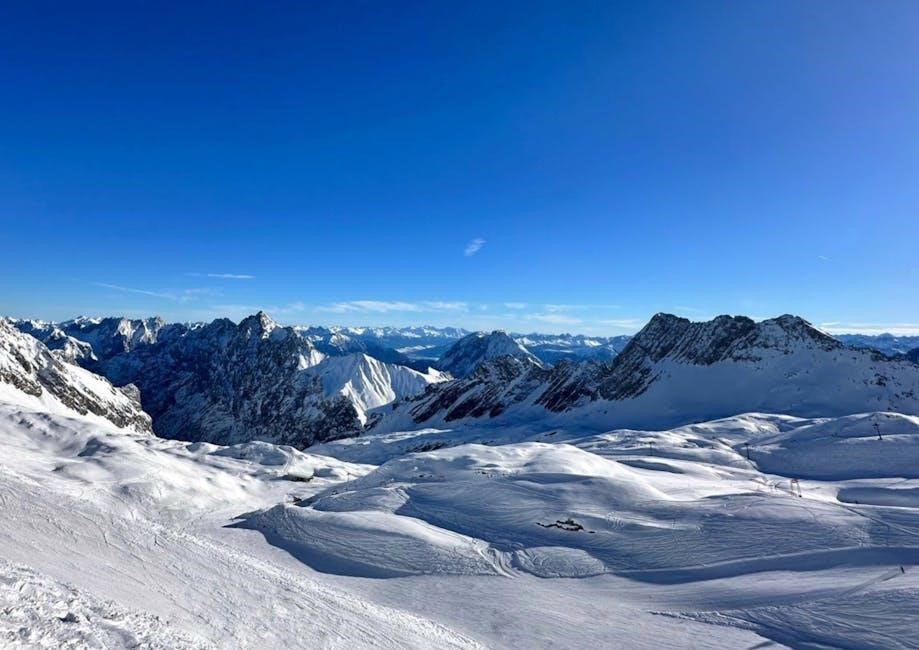
Emergency Procedures
A competent alpine guide is thoroughly trained in emergency procedures, encompassing swift response to injuries, navigation in whiteout conditions, and initiating mountain rescue protocols. Guides carry comprehensive first-aid kits and possess the skills to stabilize injuries until professional help arrives. They are proficient in utilizing communication devices – radios or satellite phones – to contact emergency services.
Clients should understand the guide’s emergency plan, including designated rendezvous points and evacuation strategies. Guides will also discuss self-rescue techniques and how clients can assist in an emergency. Prior avalanche safety training, while not always mandatory for clients, is highly recommended, as guides are equipped to assess and mitigate avalanche risks. A calm, decisive approach from the guide is crucial in maintaining safety and minimizing panic during critical situations.
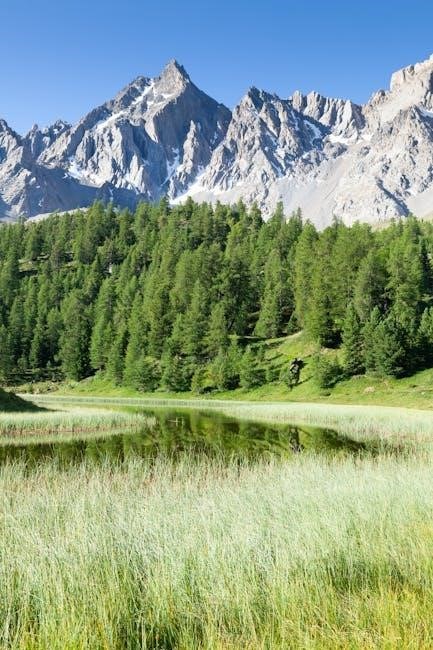
Alpine Hiking Tours: A Deeper Dive
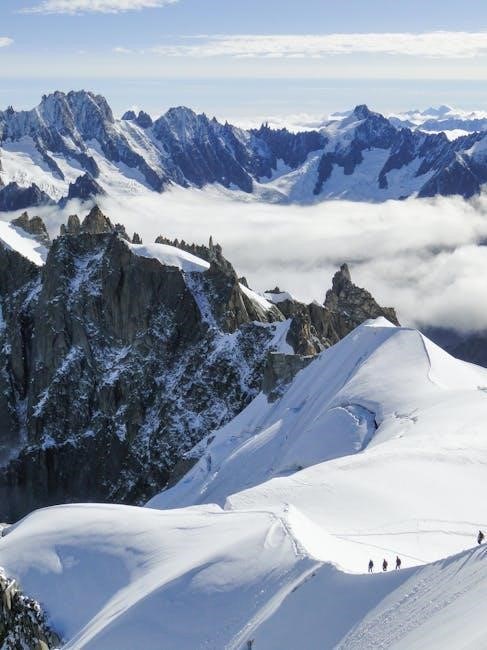
Alpine Hikers offers guaranteed departures to Mont Blanc, Switzerland, and the Dolomites, providing expertly guided hiking tours for various skill levels and preferences.
Hiking Tours in Switzerland
Switzerland presents a unique backpacking experience, diverging from rugged, minimalist approaches common elsewhere. Here, backpacking can involve comfortable accommodations and delightful culinary experiences amidst stunning alpine scenery. Alpine Hikers specializes in crafting Swiss hiking tours, catering to diverse preferences – from challenging treks to leisurely explorations.
Guided tours ensure a safe and enriching journey, leveraging local expertise. For independent adventurers, detailed maps and compass skills are crucial, complemented by resources like Cicerone guidebooks, renowned for their route descriptions and maps. Exploring the Swiss Alps with a knowledgeable guide unlocks hidden gems and provides invaluable insights into the region’s culture and natural beauty. These tours promise unforgettable moments in a breathtaking landscape.
Hiking Tours in Mont Blanc
Alpine Hikers offers guaranteed departures to Mont Blanc, providing expertly guided hiking tours for various skill levels; Mont Blanc presents unique challenges, demanding careful consideration and experienced guidance, especially on its diverse routes. A skilled guide is invaluable for navigating these complexities and ensuring a safe and rewarding experience.
Whether you’re tackling classic routes or exploring lesser-known trails, a guide enhances your understanding of the mountain’s history, geology, and ecology. Proper preparation, including map and compass proficiency, is essential for independent hikers. However, for many, the peace of mind and expertise offered by a guided tour are paramount when venturing into this iconic alpine region.
Hiking Tours in the Dolomites
Alpine Hikers specializes in Dolomites trekking with a guide, offering unforgettable experiences through this stunning Italian mountain range. The Dolomites are renowned for their dramatic landscapes and challenging Via Ferrata routes, where guided tours are highly recommended. These routes require specialized equipment and knowledge, making a qualified guide essential for safety and enjoyment.
Beyond Via Ferrata, guided treks allow you to fully immerse yourself in the region’s beauty, benefiting from local insights and logistical support. A guide can tailor the experience to your fitness level and preferences, ensuring a memorable adventure. Utilizing resources like Cicerone guidebooks alongside a local expert provides the best of both worlds – detailed route information and personalized guidance.