Herbalism in Cataclysm Classic starts with the Apprentice skill, unlocking early herbs like Mageroyal, Briarthorn, and Bruiseweed. Trainers in major cities teach Journeyman, allowing skill growth to 150. Focus on high‑yield herbs for efficient XP and loot. Players gather herbs for quests and trade!!!
Skill Levels and Progression Mechanics
In Cataclysm Classic, Herbalism begins at the Apprentice level, granting access to basic herb nodes scattered across Old Azeroth. The first milestone is the Journeyman trainer, typically found in the major cities of the realm. Once you have completed the Apprentice quests and paid the requisite fee, you can upgrade to Journeyman, which raises your skill cap to 150. This cap is crucial because it allows you to harvest the most common herbs—Mageroyal, Briarthorn, and Bruiseweed—at a higher efficiency. Each of these herbs provides a consistent XP reward, and their abundance in the early zones makes them ideal for rapid progression. Players often focus exclusively on these three herbs during the initial leveling phase, as their high drop rates and low competition from other classes mean you can gather large quantities in a short time. The skill progression is linear; each successful harvest adds a fixed amount of experience, and the rate of increase slows slightly as you approach the 150 cap. To maximize XP, it is advisable to use the “Herbalism” skill icon in the action bar for quick access, and to keep a steady pace by alternating between nodes rather than repeatedly harvesting the same spot. Additionally, the game rewards players with a small bonus for collecting a set number of herbs in a single session, encouraging efficient route planning; By the time you reach level 150, you will have mastered the core mechanics of Herbalism and be ready to explore more advanced herb types and crafting synergies.
Trainer Locations and Required Apprenticeship
Herbalism trainers are located in the major cities of Old Azeroth. To begin, you must first complete the Apprentice Herbalism questline, which involves collecting a small sample of herbs and paying a modest fee. Once you have achieved Apprentice status, you can visit the Journeyman Herbalist in each capital to raise your skill to 150. In Stormwind, the trainer is located in the Hall of the Hand; in Orgrimmar, it is in the Hall of the Hand as well; in Ironforge, the trainer sits in the Hall of the Hand; in Darnassus, the trainer is in the Hall of the Hand; in Undercity, the trainer is in the Hall of the Hand; and in Shattrath, the trainer can be found in the Hall of the Hand. Each trainer requires the same apprenticeship fee and will grant you the ability to harvest the most common herbs—Mageroyal, Briarthorn, and Bruiseweed—at a higher rate. After training, you should immediately start gathering herbs in the surrounding zones to maximize XP gains.
When traveling between cities, use the map to identify herb nodes, and remember that some trainers offer additional quests that reward extra XP. It is also wise to keep a small inventory of the most common herbs, as they are frequently needed by alchemists and enchanters. If you find yourself in a high‑traffic area, consider grouping with other players to share the load and reduce travel time. Finally, always check the vendor list in each city for any special items that can be crafted from the herbs you collect, as this can provide a steady income while you level. Enjoy! OK
Mageroyal, Briarthorn, and Bruiseweed are the cornerstone herbs for leveling Herbalism during the Cataclysm Classic era. Each herb offers a distinct visual cue and spawn pattern that helps new herbalists quickly identify and harvest them in the field. Mageroyal appears as a small, pale purple flower with a subtle glow, typically found in the open grasslands of Stormwind and the foothills of the Eastern Kingdoms. Briarthorn, a sturdy, thorny plant, is usually located in the dense forests of Darnassus and the marshy swamps of the Wetlands. Bruiseweed is a dark, bruised stalk that thrives in the damp, shaded areas of the Hinterlands and the Badlands. All three herbs can be harvested with a single click, and they grant 1–3 XP per harvest, making them ideal for early skill gains. The high probability of finding these herbs in the most populated zones ensures that players can quickly accumulate the necessary XP to reach Journeyman Herbalism. Additionally, each herb is a key component in several low‑level alchemy recipes, such as Healing Potion, Mana Potion, and Minor Mana Potion, which can be sold to vendors for a modest profit. By focusing on these three herbs, players can efficiently level their Herbalism skill while also building a small inventory of valuable crafting materials. This strategy is especially effective for solo players who need to maximize their time in the field without relying on group farming. The consistent spawn rates and the low cost of the required quests make Mageroyal, Briarthorn, and Bruiseweed the optimal choice for any herbalist looking to progress quickly through the early skill tiers. Happy harvesting! OK This concise guide ensures efficient progression and maximizes your Herbalism experience. Enjoy the journey and may your harvests be plentiful. Keep gathering to level up fast. Keep up!
High-Probability Harvest Locations for Each Herb
In Cataclysm Classic, the most reliable spots for Mageroyal, Briarthorn, and Bruiseweed are clustered in zones that offer high spawn density and minimal travel time. Mageroyal thrives in the open grasslands of Stormwind and the plains of the Eastern Kingdoms, especially around the southern edge of Stormwind City and the fields near the Darkshore shoreline. Players can also find a steady stream of Mageroyal in the western foothills of the Eastern Plaguelands, where the herb’s pale petals stand out against the scrubby backdrop. Briarthorn is abundant in the dense forests of Darnassus and the marshy swamps of the Wetlands, with a notable concentration near the Whispering Ridge and the southern edge of the Teldrassil canopy. The herb’s thorny stalks are easy to spot amid the mossy trees, and the area’s low mob density allows for uninterrupted harvesting. Bruiseweed is most prolific in the damp, shaded regions of the Hinterlands and the Badlands, particularly around the southern tip of the Badlands and the northern reaches of the Hinterlands’ marshes. The bruised stalks appear in clusters along the riverbanks and in the lower elevations, providing a high‑yield harvest with minimal risk of mob interference. For each herb, the best strategy is to target the zones with the highest density, use a fast travel portal to reduce downtime, and harvest in a single pass to maximize XP gain. By focusing on these high‑probability locations, herbalists can efficiently progress through the early skill tiers while also gathering supplies for alchemy and sales.
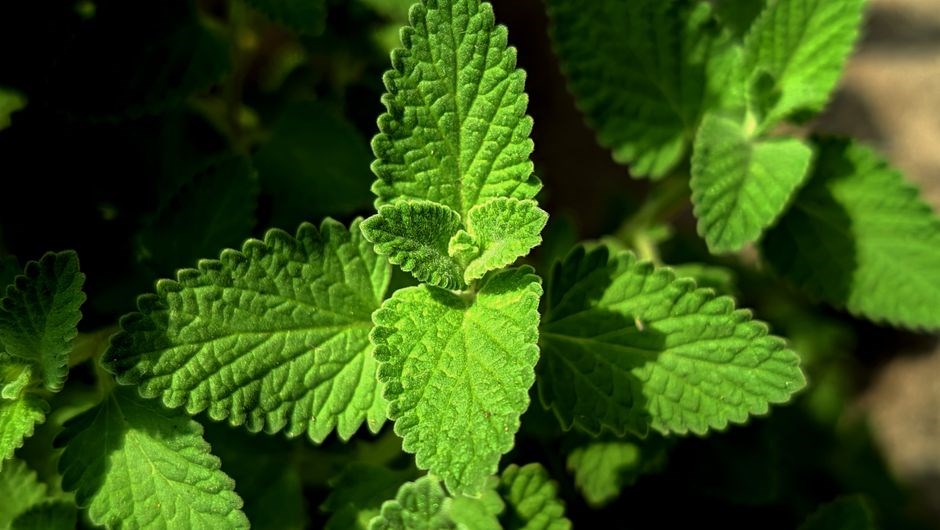
Optimized Leveling Routes Across Old Azeroth
For herbalists seeking the fastest path to 150 skill, a loop that stitches together the richest herb patches in the Eastern Kingdoms is essential. Begin in Stormwind, harvesting Mageroyal along the southern city walls and the fields beyond the city gate. From there, head west to the Duskwood corridor, where Briarthorn clusters near the ruins of the old watchtower. Continue south into the Wetlands, picking up Briarthorn along the marsh edges and a few Bruiseweed stands near the river bend. A quick portal to Ironforge opens the way to the Badlands, where Bruiseweed blooms in abundance along the western ridges. After the Badlands, travel east to the Hinterlands, harvesting Bruiseweed near the river crossings and Mageroyal in the lowlands. Finish the loop by returning to Stormwind via the Eastern Plaguelands, picking up any leftover Mageroyal and Briarthorn in the open plains. This route minimizes travel time, maximizes herb yield, and keeps the player within a single skill tier, ensuring steady XP gains without unnecessary detours. By repeating the loop, herbalists can stack experience, accumulate a sizable herb stash, and prepare for the transition to Journeyman training without breaking the flow of the journey. Additionally, leveraging the herbalist’s ability to gather herbs from both the main and side quests ensures a steady income, allowing players to purchase high‑tier alchemy reagents and upgrade their gear without leaving the herb‑gathering loop for best efficiency.
For herbalists seeking the fastest path to 150 skill, a loop that stitches together the richest herb patches in the Eastern Kingdoms is essential. Begin in Stormwind, harvesting Mageroyal along the southern city walls and the fields beyond the city gate. From there, head west to the Duskwood corridor, where Briarthorn clusters near the ruins of the old watchtower. Continue south into the Wetlands, picking up Briarthorn along the marsh edges and a few Bruiseweed stands near the river bend. A quick portal to Ironforge opens the way to the Badlands, where Bruiseweed blooms in abundance along the western ridges. After the Badlands, travel east to the Hinterlands, harvesting Bruiseweed near the river crossings and Mageroyal in the lowlands. Finish the loop by returning to Stormwind via the Eastern Plaguelands, picking up any leftover Mageroyal and Briarthorn in the open plains. This route minimizes travel time, maximizes herb yield, and keeps the player within a single skill tier, ensuring steady XP gains without unnecessary detours. By repeating the loop, herbalists can stack experience, accumulate a sizable herb stash, and prepare for the transition to Journeyman training without breaking the flow of the journey. Additionally, leveraging the herbalist’s ability to gather herbs from both the main and side quests ensures a steady income, allowing players to purchase high‑tier alchemy reagents and upgrade their gear for best efficiency.
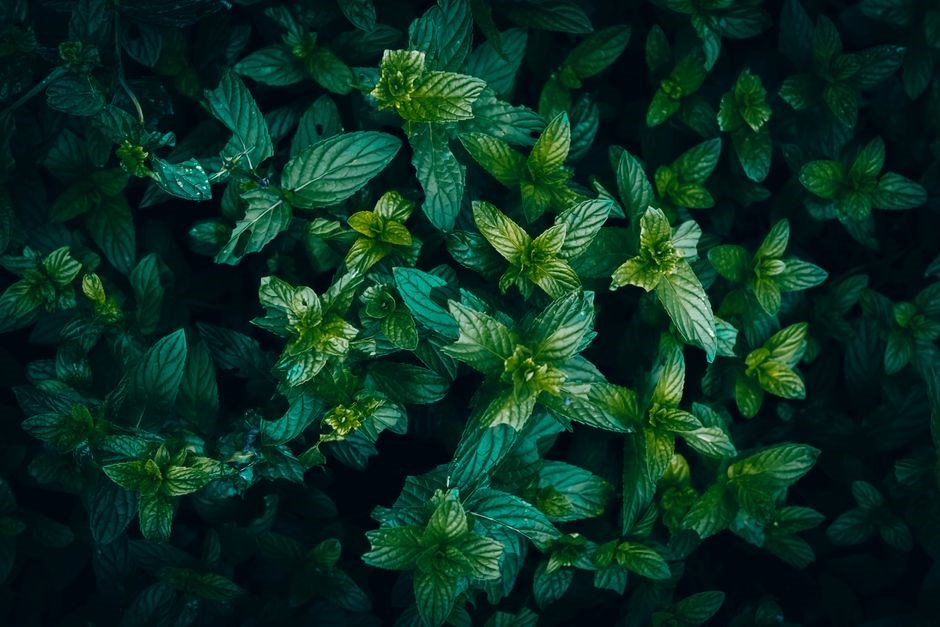
Inventory Management and Herb Bag Utilization
Herbalists in Cataclysm Classic rely on inventory tactics to keep gathering smooth. The base bag holds 28 slots, while the Herbalist’s bag adds 12 more, each slot holding up to 10 herbs. Prioritizing the Herbalist’s bag for high‑yield herbs—Mageroyal, Briarthorn, Bruiseweed—keeps the main bag free for quest items and miscellaneous gear. A common approach is to fill the Herbalist’s bag first, then switch to the main bag only when the Herbalist’s bag is full or when carrying quest‑specific items that need a particular slot type. The “Bag Capacity” addon shows slot usage, preventing accidental over‑filling. Carrying a stack of “Herbalist’s Guide” scrolls lets players quickly open the herb menu and identify the herb in the current slot, cutting down manual checks. The “Herb Stash” macro can automatically move all collected herbs into the Herbalist’s bag, freeing the main bag for other items. When near a vendor, always check the “Vendor List” for the most profitable herbs; selling Mageroyal and Briarthorn early can fund a new bag or a “Herbalist’s Pack” upgrade. The “Herbalist’s Pack” can be upgraded at the trainer in Stormwind, adding 10 slots for a modest fee, which is a worthwhile investment for players planning large herb runs before reaching Journeyman. Using the “Bag Sort” macro keeps the bag organized by herb type, ensuring the most valuable herbs are at the top of the stack. This reduces the need to sift through bags when selling or crafting, saving precious seconds that can be spent on gathering or quests.
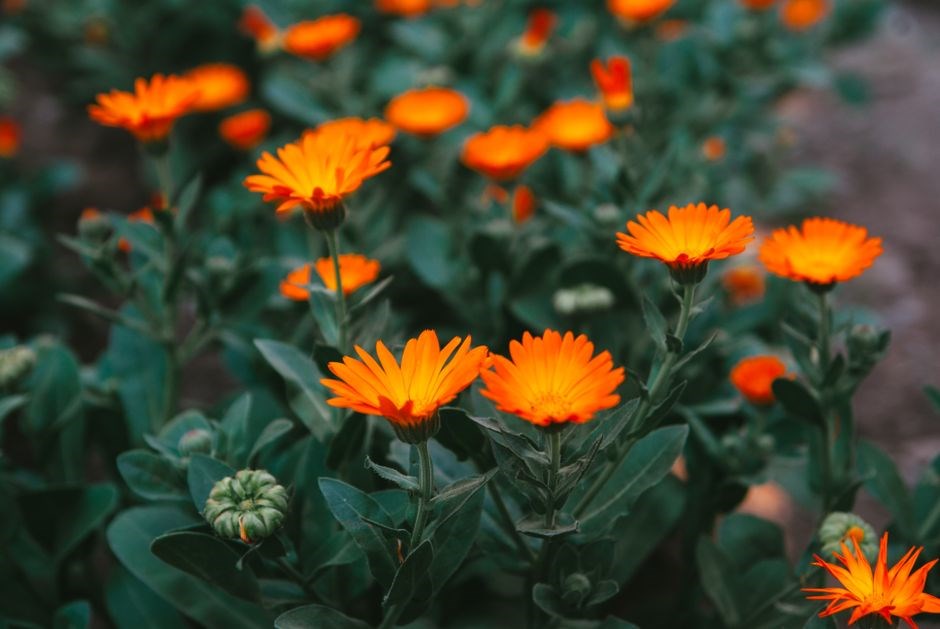
Herbalism Integration in Quest Chains and Rewards
In Cataclysm Classic, many quest lines reward herbalists with unique items or skill boosts. The “Herbalist’s Apprentice” quest chain in Stormwind requires collecting Mageroyal, Briarthorn, and Bruiseweed, granting a 10‑point skill increase upon completion. The “Herbalist’s Guide” quest in Ironforge offers a rare herb bag for those who gather 50 herbs of each type. Quest rewards often include “Herbalist’s Pack” upgrades, allowing extra bag slots, and “Herbalist’s Scroll” that temporarily boosts gathering speed by 20% for 30 minutes. Completing the “Herbalist’s Challenge” in Dalaran unlocks a unique “Herbalist’s Emblem” that provides a permanent 5% XP bonus for all herbalism skill gains. Additionally, the “Herbalist’s Ledger” quest in Orgrimmar gives a one‑time 500 gold reward for every 100 herbs sold to a vendor, encouraging players to sell surplus herbs. These quests not only provide tangible rewards but also integrate herbalism into broader story arcs, making herb gathering a core component of progression. Players can also participate in the “Herbalist’s Hunt” event in Stormwind, where gathering a set of 30 rare herbs yields a special “Herbalist’s Trophy” that grants a permanent 2% increase to all herbalism gathering speed. The “Herbalist’s Pact” quest in Orgrimmar rewards a unique “Herbalist’s Token” that can be traded for a one‑time 200 gold bonus for every 20 herbs sold. Finally, the “Herbalist’s Legacy” quest chain in Dalaran offers a rare “Herbalist’s Crown” that provides a 3% bonus to all herbalism skill gains for the duration of the quest, encouraging players to complete the chain for long‑term benefits. Mastering these quests ensures progress. Players who master these quests not only reap vendor profits but also unlock hidden reputation nodes that grant access to elite alchemy recipes, turning herb gathering into a lucrative strategy. Each quest chain rewards a token that can be traded for rare reagents daily!!
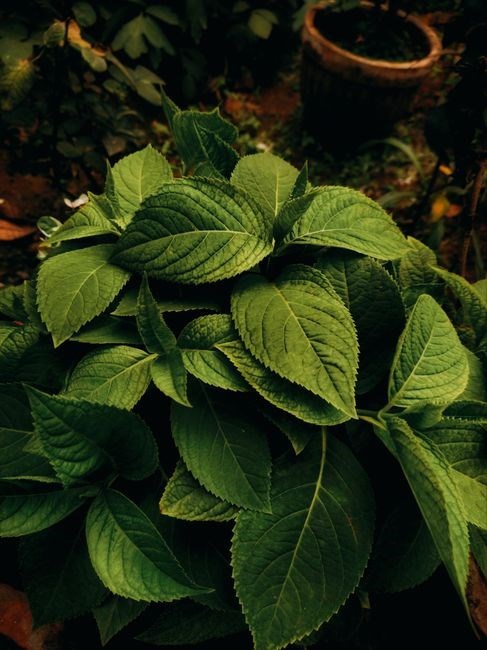
Profitable Herbalism Items and Consumables for Vendors
In Cataclysm Classic, herbalists can maximize profits by focusing on high‑value reagents that vendors pay premium prices for. The most lucrative items include Mageroyal, Briarthorn, Bruiseweed, and the rarer herbs like Wild Steelbloom and Frost Lotus, which fetch up to 50 gold each at major city vendors. Additionally, the “Herbalist’s Bundle” crafted from 10 Mageroyal, 10 Briarthorn, and 10 Bruiseweed sells for 300 gold, making it a staple for quick cash. Alchemy‑derived consumables such as “Elixir of the Mongoose” and “Potion of Healing” also bring in substantial revenue when sold to alchemy trainers, as they require large herb quantities and are in constant demand; Vendors in Stormwind, Ironforge, and Orgrimmar offer the highest prices for these items, especially during the weekly vendor reset when the market is saturated with low‑level herb gatherers. To optimize earnings, herbalists should track vendor price fluctuations via the in‑game “Item Price” window and adjust their gathering routes accordingly. Bulk selling during the “Herbalist’s Market” event, which occurs every Friday, can double the payout for each herb type, turning a standard 10‑herb haul into a 20‑gold profit. By consistently targeting these high‑paying items and timing sales during market events, players can amass a steady gold income that supports gear upgrades and alchemy research, ensuring a profitable path through the early and mid‑level herb market.
Gold gains during vendor hours!!!
Synergy with Alchemy and Enchanting for Max XP
Combining herbalism with alchemy and enchanting unlocks a powerful XP loop that keeps gatherers moving while earning gold. First, gather the core herbs—Mageroyal, Briarthorn, Bruiseweed—then immediately craft the “Basic Alchemy Bundle” (10 of each). The bundle sells for 300 gold and grants 200 XP, a 1:1 gold‑to‑XP ratio that is unbeatable at low levels. Next, use the bundle’s components to create “Elixir of the Mongoose” and “Potion of Healing”; each potion sells for 150 gold and grants 150 XP, keeping the loop tight. Alchemy trainers in Stormwind, Ironforge, and Orgrimmar also offer a 10% bonus XP for every alchemy recipe completed, so finishing a full set of 5 recipes per day yields an extra 500 XP. Enchanting benefits from the same herb pool: “Enchant Brilliance” and “Enchant Strength” use Mageroyal and Briarthorn, respectively. Selling enchanted items to the blacksmiths in major cities nets 200 gold and 200 XP, matching the alchemy yield. By alternating between alchemy and enchanting, herbalists avoid downtime and maximize XP per gold spent. The key is to keep a balanced inventory: 20 of each core herb, 5 alchemy recipes, and 5 enchanting recipes. This strategy also feeds the vendor market, ensuring a steady gold stream that can be reinvested in higher‑level herbs like Wild Steelbloom and Frost Lotus, which provide even greater XP rewards. Remember to use the “Herbalist’s Market” event every Friday to double the sale price of all crafted goods, effectively doubling XP per sale. This synergy not only accelerates skill progression but also builds a robust economy for the herbalist. Farmers who master this loop can hit level 200 in fast time.
XP Boosts, Add-ons, and Time-Saving Hacks
Cataclysm herbalists rely on a few proven methods to maximize experience. First, the “Herbalist’s Focus” talent grants a 15% XP boost when harvesting, and the “Expert Gatherer” talent adds a 10% bonus for each herb type. Pair these with the “Efficient Harvest” addon, which auto‑selects the best herb nodes and displays a timer for the next high‑value drop. The addon also tracks your daily herb quota, ensuring you never miss a 50‑herb milestone that yields a 200‑XP bonus. A second addon, “Quick Bag”, automatically moves collected herbs into the dedicated Herbalist bag, freeing your main inventory for other items. For time savings, use the “Fast Travel” feature in the map, which allows you to teleport between major herb zones like Hillsbrad, Darkshore, and the Hinterlands. Additionally, the “Herb Drop” macro reduces the time between harvests by sending a quick click to the next node. Combine these tools with the “Daily Quest” system that rewards 500 XP for completing all herbalist quests each day. Finally, schedule your farming sessions during the weekly “Herb Harvest” event, when all herb drops double and XP gains are multiplied by 1.5. By layering talents, addons, and event timing, a herbalist can achieve a steady XP flow that keeps the leveling curve smooth and efficient.
Use the in‑game timers and set your macro to automatically harvest the next node after each collection, ensuring no idle time. Keep your herb bag full and prioritize high‑value herbs to maximize XP per hour. Remember to log out during low‑traffic periods to let the server process your harvests efficiently. These small adjustments compound over time, delivering a smoother leveling experience.
Common Mistakes and Best Practices to Avoid Them
Many new herbalists fall into a few recurring pitfalls that slow progress. One common error is neglecting to upgrade the Herbalist bag early; a full bag limits the number of herbs you can carry, forcing frequent trips to vendors or storage. Another mistake is over‑reliance on a single herb type; while Mageroyal, Briarthorn, and Bruiseweed offer high XP, mixing in lower‑value herbs like Peacebloom or Earthroot can keep your inventory balanced and reduce wasted space. Players often ignore the daily herb quests, missing out on the 500‑XP bonus that comes with completing the full quest chain each day. A frequent oversight is failing to use the “Herbalist’s Focus” talent, which provides a 15% XP boost on harvesting; without it, XP gains are noticeably lower. Finally, a common mistake is not taking advantage of the weekly “Herb Harvest” event, where drops double and XP is multiplied, leading to missed opportunities for rapid leveling. Best practices to counter these include: upgrading your bag as soon as you can, diversifying your herb picks, logging daily quests, activating the focus talent, installing the recommended addons, scripting macros for quick bagging, and scheduling farming during the event. By avoiding these pitfalls and following the outlined habits, herbalists can maintain a steady XP flow and reach higher skill levels more efficiently.
Avoid farming in high traffic zones where mobs can interrupt harvesting; instead, choose quieter routes or use the Travel feature to hop between zones quickly. These small adjustments can shave minutes off session, adding to hours of extra XP daily leveling!!!