Quadratus Lumborum Strengthening Exercises: A Comprehensive Guide
Discover a detailed exploration of exercises designed to fortify the quadratus lumborum, addressing sacroiliac dysfunction and enhancing pelvic stability,
as evidenced by recent research and clinical applications․
Understanding the Quadratus Lumborum (QL) Muscle
The Quadratus Lumborum (QL) is a deep core muscle situated in the lower back, playing a crucial role in spinal stability and movement․ Often overlooked, its function extends beyond simple back extension, significantly impacting the sacroiliac joint and pelvis․ Understanding its anatomy and biomechanics is paramount before embarking on strengthening exercises․
This muscle connects the iliac crest to the lumbar vertebrae and the 12th rib, acting as a key stabilizer during unilateral movements – think walking or lifting․ Tightness within the QL can contribute to lower back pain, uneven hips, and even postural imbalances like anterior pelvic tilt․ Recent studies highlight its frequent involvement in sacroiliac joint dysfunction, where imbalances can exacerbate pain and limit function․
Effective QL strengthening isn’t about building bulk; it’s about restoring proper function and coordination․ A comprehensive approach considers not only the QL itself but also its relationship with surrounding muscles like the gluteus medius and psoas major, ensuring balanced support and optimal movement patterns․
QL Muscle Anatomy and Function
The Quadratus Lumborum (QL) boasts a unique anatomical structure․ Originating from the iliac crest and lumbar vertebrae, it inserts onto the 12th rib and transverse processes of L1-L4․ This arrangement allows for powerful lateral flexion of the spine, extension, and stabilization․ Its deep location, beneath other back muscles, often makes it a hidden contributor to pain and dysfunction․
Functionally, the QL works synergistically with other core muscles to maintain spinal integrity during daily activities․ It’s heavily recruited during unilateral movements, resisting rotation and controlling pelvic tilt․ Diffusion-weighted imaging studies demonstrate significant QL activation during exercises like the elbow-toe and side-bridge, revealing its role in core stabilization․
Understanding its fiber orientation – running diagonally – is key to targeted exercise selection․ Strengthening the QL isn’t simply about contracting the muscle; it’s about restoring its ability to control movement and protect the spine, particularly in relation to the sacroiliac joint․ Proper function minimizes strain and promotes optimal biomechanics․
The Role of QL in Lower Back Pain
The Quadratus Lumborum (QL) is frequently implicated in lower back pain, often due to its direct connection to the lumbar spine and sacroiliac joint (SIJ)․ Tightness or dysfunction within the QL can contribute to SIJ dysfunction, a common source of referred pain․ Research indicates that addressing QL tightness can provide significant pain relief, with muscle energy techniques proving particularly useful․
QL involvement often stems from muscle imbalances or repetitive strain․ Prolonged sitting, improper lifting techniques, and leg length discrepancies can all overload the QL․ This can lead to muscle spasms, trigger points, and restricted movement․ The muscle’s role in controlling pelvic tilt also means QL dysfunction can contribute to anterior pelvic tilt and associated postural problems․
However, it’s crucial to remember that QL pain isn’t always the primary issue․ It often acts as a compensatory mechanism for weakness or instability elsewhere in the core․ Therefore, a comprehensive approach, including QL strengthening alongside gluteus medius exercises, is often most effective in resolving lower back pain․
Why Strengthen the Quadratus Lumborum?
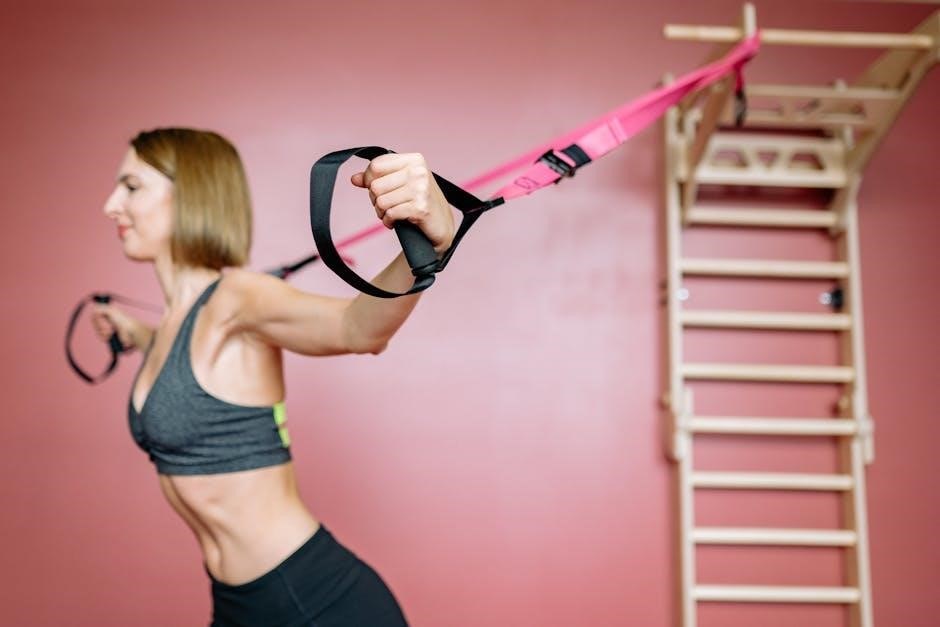
Strengthening the QL enhances pelvic stability, addresses sacroiliac joint dysfunction, and corrects muscle imbalances, ultimately reducing lower back pain and improving overall core function․
QL Strengthening for Sacroiliac Joint Dysfunction
Sacroiliac (SI) joint dysfunction often arises from instability or improper movement within the joint, frequently linked to imbalances in surrounding musculature․ The quadratus lumborum (QL) plays a crucial role in stabilizing the SI joint, and strengthening it can significantly alleviate associated pain and dysfunction․ Research indicates that targeted gluteus medius strengthening improves pelvic stability, reducing strain on the SI joint, but incorporating QL exercises offers a more comprehensive approach․
A randomized controlled trial highlighted the effectiveness of muscle energy techniques on the QL for lower back pain relief․ While gluteus medius exercises are beneficial, addressing QL tightness directly can yield substantial improvements, particularly in cases where QL involvement is prominent․ Strengthening the QL helps control lumbar movement and provides support to the pelvis, minimizing excessive stress on the SI joint․ This combined approach – strengthening both gluteus medius and QL – optimizes pelvic mechanics and promotes long-term SI joint health․
Effective exercises focus on controlled movements that engage the QL without exacerbating pain․ These include side planks, bird dogs, and variations of glute bridges with a conscious focus on QL activation․
QL Strengthening and Pelvic Stability
Pelvic stability is paramount for optimal movement and preventing lower back pain․ The quadratus lumborum (QL) contributes significantly to this stability by directly influencing pelvic positioning and controlling lumbar motion․ A stable pelvis provides a solid foundation for the spine and lower extremities, reducing stress on the sacroiliac joints and surrounding tissues․
QL strengthening enhances the muscle’s ability to resist unwanted pelvic movements, such as tilting or rotation․ This is particularly important during functional activities like walking, lifting, and bending․ When the QL is weak, the pelvis becomes more susceptible to instability, leading to compensatory patterns and potential pain․ Strengthening the QL, alongside other core and hip muscles, creates a synergistic effect, maximizing pelvic control․
Exercises like side planks and bird dogs directly challenge the QL to maintain pelvic alignment․ Diffusion-weighted imaging studies demonstrate QL recruitment during exercises like the elbow-toe and side-bridge, confirming its active role in pelvic stabilization․ A robust QL contributes to a more resilient and functional pelvis, improving overall biomechanics and reducing the risk of injury․
Addressing Muscle Imbalances with QL Exercises
Muscle imbalances frequently contribute to lower back pain and sacroiliac joint dysfunction․ Often, weakness in the QL is coupled with tightness in opposing muscle groups, such as the hip flexors (psoas major) and abdominal muscles․ This imbalance disrupts optimal movement patterns and places undue stress on the lumbar spine and pelvis․
QL exercises are crucial for restoring balance by strengthening a frequently underactive muscle․ However, a comprehensive approach is essential․ Addressing tightness in the hip flexors through stretching, like the pelvic clock exercise, is equally important․ Simultaneously, core strengthening exercises enhance overall stability and support the QL’s function․
Diffusion-weighted imaging reveals recruitment patterns during trunk exercises, highlighting the interplay between the QL, psoas major, and rectus abdominis․ Targeted exercises, like Romanian deadlifts and glute bridges, can address posterior chain weakness, complementing QL strengthening․ Correcting these imbalances improves biomechanics, reduces pain, and promotes long-term spinal health․
Effective Quadratus Lumborum Strengthening Exercises
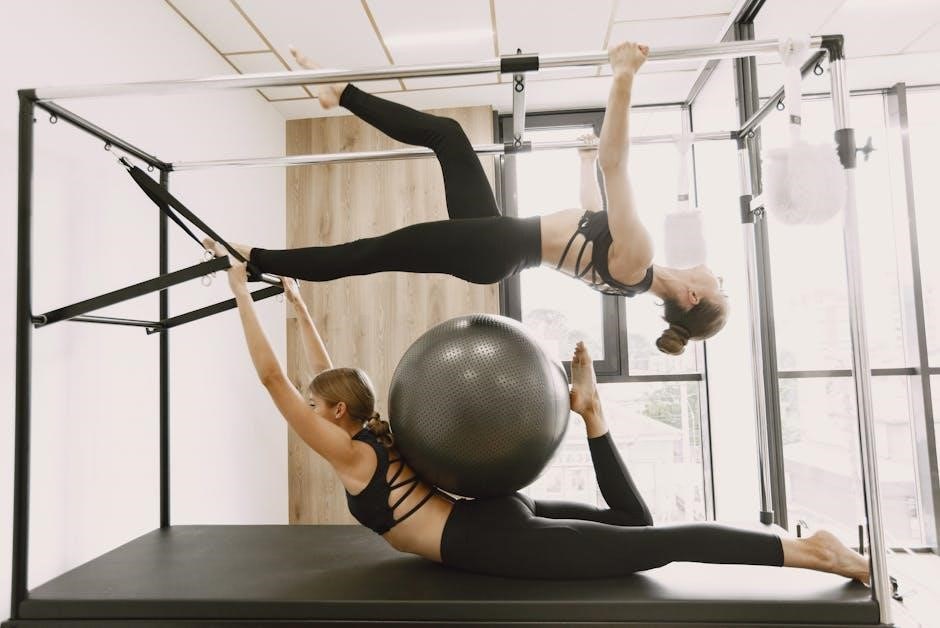
Explore targeted exercises – side planks, bird dogs, Romanian deadlifts, and glute bridges – designed to effectively strengthen the QL muscle and improve core stability․
Side Plank Variations
Side planks are foundational exercises for QL strengthening, promoting lateral core stability․ Begin with the Basic Side Plank: Lie on your side, supporting your body on your forearm and the side of your foot, maintaining a straight line from head to heels․ Engage your core and hold for 30-60 seconds, repeating 2-3 times per side․
To increase the challenge, progress to the Side Plank with Hip Dip․ Assume the basic side plank position․ Slowly lower your hip towards the floor, then raise it back to the starting position, controlling the movement․ This variation specifically targets the QL, enhancing its endurance and strength․ Perform 10-15 repetitions on each side for 2-3 sets․
These variations, supported by research highlighting the importance of core stability, are crucial for addressing sacroiliac joint dysfunction and improving overall lower back health․ Proper form is paramount to avoid strain and maximize effectiveness․
Basic Side Plank
The Basic Side Plank is an excellent starting point for QL strengthening and core stabilization․ Begin by lying on your side with your legs extended and stacked․ Prop yourself up onto your forearm, ensuring your elbow is directly beneath your shoulder․
Engage your core muscles – think about drawing your belly button towards your spine – and lift your hips off the ground, creating a straight line from your head to your feet․ Avoid letting your hips sag or rotate․ Hold this position for 30 to 60 seconds, focusing on maintaining proper form․
Repeat the exercise 2-3 times on each side․ This exercise directly engages the quadratus lumborum, contributing to improved pelvic stability and reduced strain on the sacroiliac joint, as demonstrated in studies on lower back pain management․
Side Plank with Hip Dip
Progressing from the basic side plank, the Hip Dip variation further challenges the QL and oblique muscles․ Assume the starting position of a standard side plank – forearm supporting your weight, body in a straight line․
Slowly lower your hip towards the ground, keeping your core engaged and back straight․ Avoid rotating your body; the movement should be a controlled descent and ascent․ Pause briefly at the bottom before lifting your hip back up to the starting position․
Perform 10-15 repetitions on each side for 2-3 sets․ This dynamic movement enhances QL activation, promoting stability and addressing potential muscle imbalances․ It builds upon the foundational strength gained from the basic side plank, contributing to improved function and pain relief, particularly in cases of sacroiliac joint dysfunction․
Bird Dog Exercise
The Bird Dog is a fantastic exercise for core stability and QL engagement, promoting a neutral spine and improving coordination․ Begin on your hands and knees, ensuring your hands are directly under your shoulders and knees under your hips․
Simultaneously extend one arm forward and the opposite leg backward, maintaining a straight line from hand to heel․ Focus on keeping your core engaged to prevent arching or rotating your back․ Hold this position for a few seconds, then slowly return to the starting position․
Repeat on the other side․ Aim for 10-15 repetitions per side, completing 2-3 sets․ This exercise strengthens the QL alongside other core muscles, contributing to pelvic stability and reducing strain on the lower back and sacroiliac joint․ Proper form is crucial to maximize benefits and prevent injury․
Romanian Deadlifts (RDLs)
Romanian Deadlifts (RDLs) are a powerful exercise for strengthening the posterior chain, including the QL, hamstrings, and glutes․ Start standing with feet hip-width apart, holding a dumbbell or barbell in front of your thighs․
Keeping your back straight and core engaged, hinge at the hips, lowering the weight towards the floor while maintaining a slight bend in your knees․ Focus on feeling a stretch in your hamstrings and a gentle engagement of your QL muscles as you control the descent․
Avoid rounding your back․ Squeeze your glutes and hamstrings to return to the starting position․ Perform 3 sets of 8-12 repetitions․ RDLs enhance QL strength, contributing to improved pelvic stability and reduced lower back pain, particularly when combined with other targeted exercises․
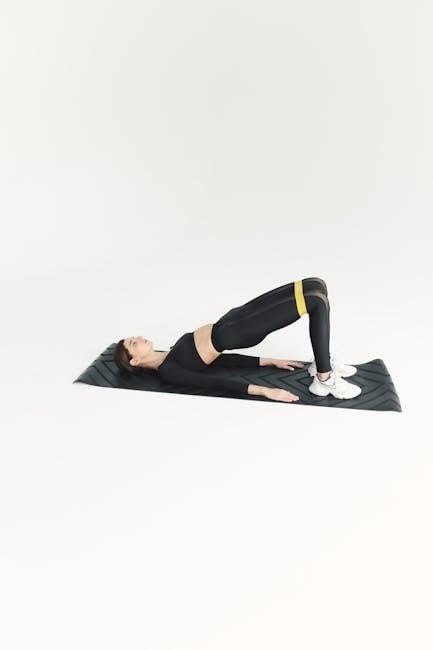
Glute Bridges with QL Focus
Glute Bridges, when performed with a specific focus, can effectively target the Quadratus Lumborum (QL) alongside the glutes and hamstrings․ Begin by lying on your back with knees bent and feet flat on the floor, hip-width apart․
Engage your core and glutes, then lift your hips off the floor, creating a straight line from your shoulders to your knees․ As you lift, consciously attempt to slightly rotate your pelvis towards one side, feeling a gentle contraction in the QL muscle on that same side․
Hold for a second at the top, then slowly lower back down․ Alternate sides with each repetition or complete all reps on one side before switching․ Aim for 3 sets of 12-15 repetitions per side․ This variation enhances QL activation, promoting stability and reducing lower back discomfort․
Exercises Utilizing Diffusion-Weighted Imaging Insights
Recent studies employing diffusion-weighted imaging reveal targeted muscle recruitment during specific exercises, like the elbow-toe and side-bridge, optimizing QL engagement for enhanced results․
Elbow-Toe Exercise & QL Recruitment
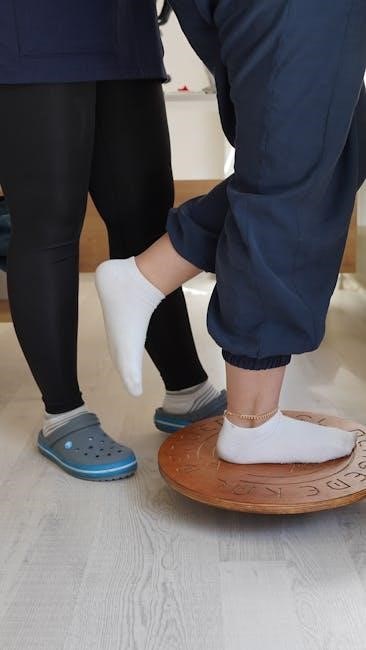
The elbow-toe exercise, a seemingly simple maneuver, demonstrates significant quadratus lumborum (QL) recruitment when analyzed with diffusion-weighted imaging (DWI)․ Research indicates that performing this exercise elicits observable changes in the apparent diffusion coefficient (ADC) values within the QL muscle․ Specifically, DWI reveals alterations in the muscle’s microstructural environment during and after the exercise․
ADC maps, generated from DWI data, visually represent these changes, with color coding indicating the degree of water diffusion․ Increased recruitment of the QL muscle correlates with shifts in ADC values, providing a quantifiable measure of muscle activity․ This imaging technique allows clinicians and researchers to objectively assess how effectively the QL is engaged during this exercise․
Furthermore, comparing pre- and post-exercise DWI scans highlights the QL’s response to the elbow-toe maneuver․ This insight is crucial for tailoring rehabilitation programs and ensuring optimal QL activation for individuals experiencing lower back pain or sacroiliac joint dysfunction․ The exercise’s effectiveness stems from its ability to challenge the QL in a controlled manner, promoting strength and stability․
Right Side-Bridge Exercise & QL Recruitment
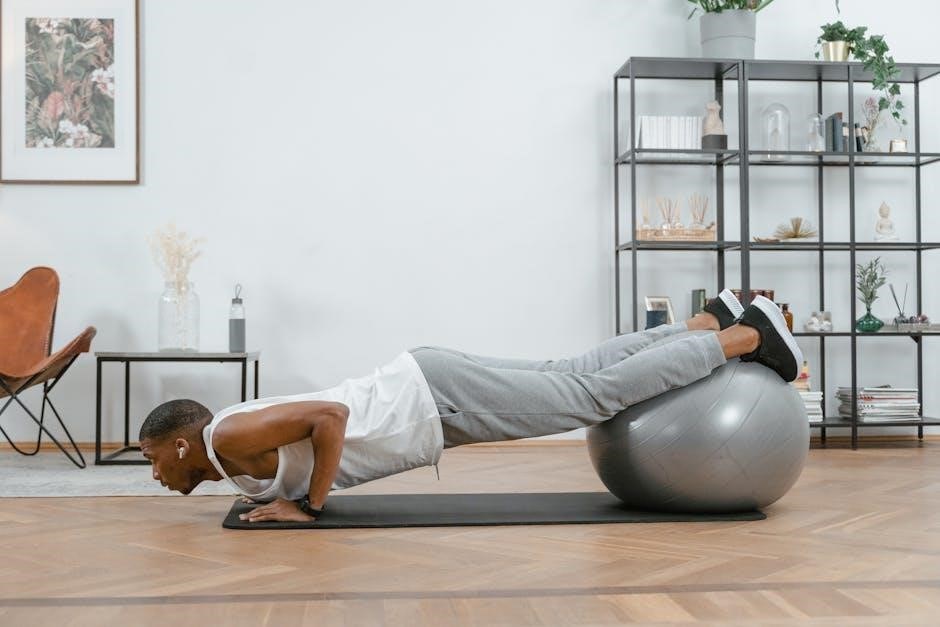
Diffusion-weighted imaging (DWI) studies demonstrate substantial quadratus lumborum (QL) recruitment during the right side-bridge exercise․ Similar to the elbow-toe exercise, DWI allows for a detailed assessment of changes in the QL muscle’s microstructure․ Analyzing apparent diffusion coefficient (ADC) maps before and after performing the side-bridge reveals significant alterations in water diffusion within the QL․
The ADC maps, utilizing a color-coded scale, visually represent these changes, with red indicating higher ADC values and blue representing lower values․ Increased QL activation during the side-bridge exercise correlates with specific shifts in these ADC values, providing objective evidence of muscle engagement․ This allows for precise monitoring of QL activity․
Compared to baseline measurements, post-exercise DWI scans consistently show changes indicative of heightened QL recruitment․ This exercise effectively challenges the QL to stabilize the spine and pelvis, making it a valuable component of rehabilitation programs for lower back pain and sacroiliac joint dysfunction․ The side-bridge’s controlled loading promotes QL strength and endurance․
QL Stretching for Optimal Function
Restore flexibility and alleviate QL tightness through targeted stretches like the pelvic clock, standing QL stretch, and foam rolling, improving hip alignment and spinal health․
Pelvic Clock Exercise for QL Release
The Pelvic Clock Exercise is a dynamic stretching technique specifically designed to address tightness in the quadratus lumborum (QL) and surrounding musculature․ This exercise promotes controlled movements of the pelvis, mimicking the hands of a clock, to gently stretch and release the QL muscle․
How to Perform: Lie on your back with knees bent and feet flat on the floor․ Imagine a clock face superimposed on your pelvic region․ Slowly tilt your pelvis in different directions, as if moving a clock hand․
- 12 o’clock: Gently flatten your lower back against the floor (posterior pelvic tilt)․
- 3 o’clock: Rotate your pelvis to the right, creating a slight arch in your lower back․
- 6 o’clock: Gently flatten your lower back again․
- 9 o’clock: Rotate your pelvis to the left, creating a slight arch․
Repeat this sequence slowly and deliberately, focusing on controlled movements and breathing․ Tight QL muscles can contribute to uneven hips, anterior pelvic tilt, and lumbar hyperlordosis; this exercise aims to counteract these imbalances, promoting optimal pelvic alignment and reducing lower back discomfort․ Utilizing a device can enhance effectiveness․
Standing QL Stretch
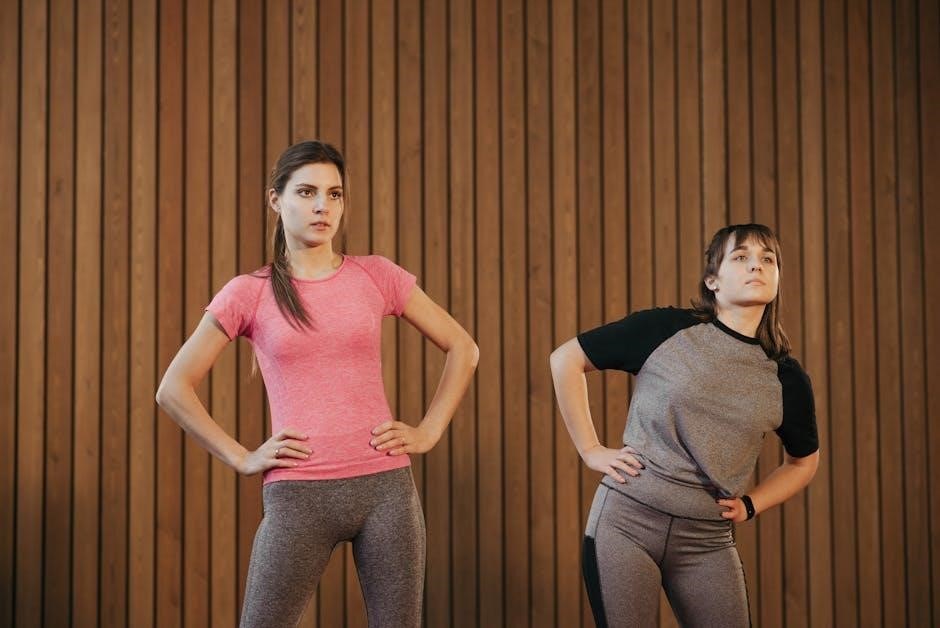
The Standing Quadratus Lumborum Stretch offers a convenient and effective way to lengthen a frequently tight muscle․ This stretch targets the QL directly, helping to alleviate lower back pain and improve flexibility․ It’s easily incorporated into daily routines and requires minimal space․
How to Perform: Stand with your feet hip-width apart․ Gently reach one arm overhead and slightly towards the opposite side, initiating a lateral bend․ Simultaneously, place the opposite hand on your hip to stabilize․
Feel a stretch along the side of your torso, specifically targeting the QL muscle․ To deepen the stretch, gently rotate your torso away from the bending side․ Hold the stretch for 20-30 seconds, breathing deeply․
Important Considerations: Avoid forcing the stretch․ Focus on a gentle, controlled movement․ This stretch is particularly beneficial for individuals experiencing lower back pain related to QL tightness, contributing to improved posture and reduced discomfort․ Repeat on the other side․
Foam Rolling for QL Muscle Relief
Foam rolling is a self-myofascial release technique that can effectively address tightness in the Quadratus Lumborum (QL) muscle․ This method helps to break up adhesions and improve blood flow, leading to reduced pain and increased flexibility․ It’s a valuable addition to any QL-focused routine․
How to Perform: Lie on your side with your knees bent and a foam roller positioned just below your lowest rib․ Support your upper body with your forearm․ Gently roll up and down along the QL muscle, focusing on tender spots․
Spend 30-60 seconds on each side, pausing on particularly tight areas․ Control the pressure and avoid rolling directly over the spine․
Important Considerations: Foam rolling can be initially uncomfortable, but the discomfort should decrease with continued rolling․ It’s crucial to listen to your body and avoid excessive pressure․ This technique complements stretching and strengthening exercises, promoting optimal QL function and overall lower back health․
Integrating QL Exercises into a Routine
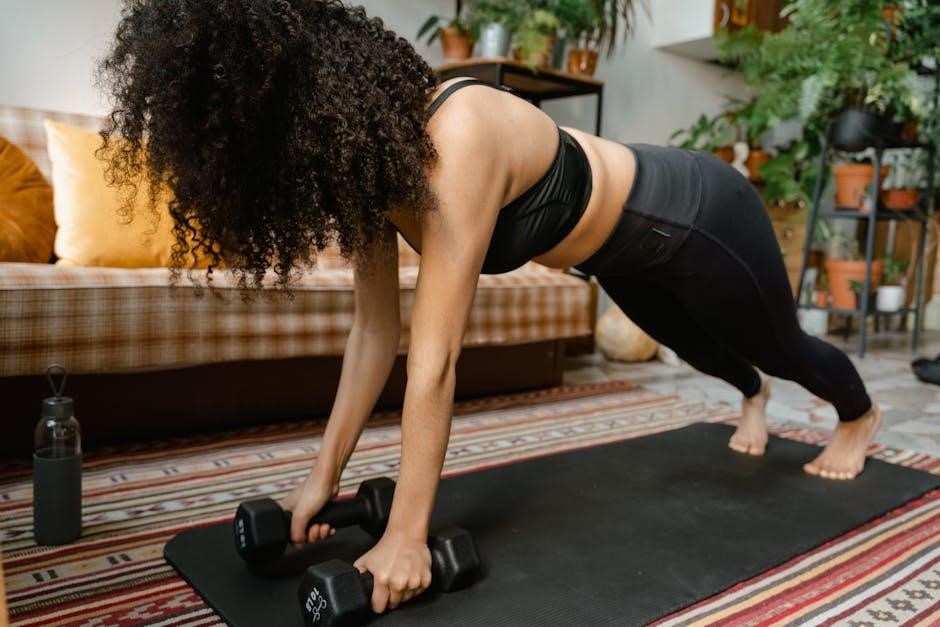
Seamlessly incorporate QL exercises with targeted warm-ups and cool-downs, progressively increasing intensity for sustained gains, optimizing pelvic stability and minimizing lower back discomfort․
Warm-up Exercises for QL Activation
Prior to engaging in dedicated Quadratus Lumborum (QL) strengthening, a proper warm-up is crucial for preparing the muscles and minimizing injury risk․ Begin with gentle movements to increase blood flow and flexibility in the lower back and surrounding areas․
Cat-Cow stretches are excellent for mobilizing the spine and activating core muscles, including the QL․ Perform 10-15 repetitions, focusing on controlled movements․ Pelvic tilts, both anterior and posterior, help to engage the core and improve awareness of pelvic positioning, which directly impacts QL function․ Aim for 15-20 repetitions․
Glute bridges, performed without weight initially, can gently activate the QL as they engage the posterior chain․ Focus on squeezing the glutes and maintaining a neutral spine․ 10-12 repetitions are recommended․ Bird-dog exercises, performed slowly and with control, further enhance core stability and QL activation․ Complete 8-10 repetitions per side․
These warm-up exercises prime the QL for more demanding strengthening activities, ensuring optimal muscle recruitment and reducing the potential for strain․ Remember to listen to your body and modify exercises as needed․
Cool-down Stretches for QL Recovery
Following a QL strengthening workout, incorporating cool-down stretches is vital for muscle recovery, flexibility, and preventing post-exercise soreness․ These stretches aim to lengthen the QL muscle and restore optimal range of motion․
The Standing QL Stretch is highly effective․ Gently lean away from the side you’re stretching, reaching overhead with the same-side arm․ Hold for 20-30 seconds, feeling a stretch along the lower back and side․ Repeat 2-3 times per side․ The Pelvic Clock Exercise, focusing on lateral pelvic tilts, gently releases tension in the QL․ Perform 10-15 repetitions, moving slowly and deliberately․
Knees-to-chest stretches can also indirectly benefit the QL by releasing tension in the lower back․ Hold for 30 seconds, repeating 2-3 times․ Foam rolling along the QL muscle, starting gently and gradually increasing pressure, can help alleviate muscle knots and improve blood flow; Spend 1-2 minutes per side․
Consistent cool-down stretching promotes muscle health and supports long-term QL function, complementing the benefits of strengthening exercises․
Progressive Overload for Continued Strength Gains
To continually challenge the quadratus lumborum and maximize strength gains, progressive overload is essential․ This principle involves gradually increasing the demands placed on the muscle over time, prompting adaptation and improved performance․
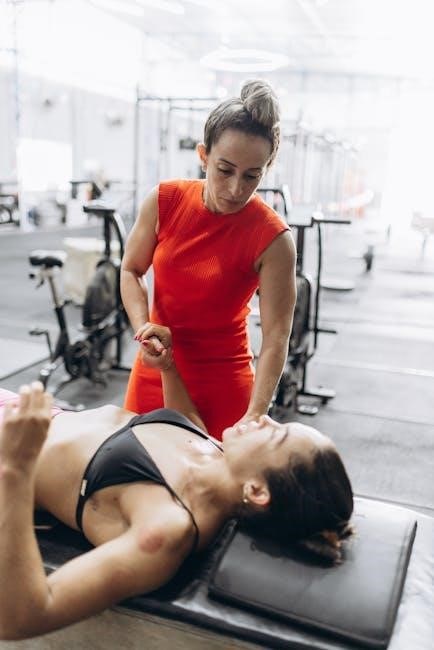
For side planks, begin with shorter hold times (e․g․, 20 seconds) and gradually increase the duration (up to 60 seconds or more)․ Variations like hip dips can be added to increase difficulty․ With Bird Dogs, initially focus on controlled movements, then increase repetitions or add light ankle weights․ Romanian Deadlifts (RDLs) can be progressed by increasing the weight used, ensuring proper form is maintained․
Glute Bridges can be made more challenging by adding a resistance band around the knees or performing single-leg variations․ Remember to prioritize form over weight․ Increase resistance incrementally – typically 5-10% at a time – and allow adequate recovery between sessions․ Listen to your body and avoid pushing through pain․
Consistent, progressive overload ensures continued QL strengthening and functional improvements․