
Mozart Clarinet Concerto in A Major, K. 622: A Comprehensive Guide
Discover readily available PDF scores of Mozart’s K.622, including arrangements for descant recorder and guitar, found on music-scores.com. These resources offer convenient access
to the concerto’s beautiful melodies.
Historical Context and Composition
Composed in 1791, during Mozart’s final year, the Clarinet Concerto in A major, K. 622, represents a pivotal moment in both his life and the development of the clarinet repertoire. Unlike many of his earlier concertos written for commission, Mozart penned this work voluntarily, driven by a genuine artistic impulse and a burgeoning appreciation for the clarinet’s expressive capabilities. The concerto wasn’t conceived as a showcase for virtuosity, but rather as a vehicle for lyrical beauty and nuanced dialogue between soloist and orchestra.
Interestingly, the availability of easily accessible PDF scores today, particularly those found on platforms like music-scores.com, reflects a democratization of musical access unimaginable in Mozart’s time. Original manuscripts were painstakingly copied by hand, limiting their circulation. Now, digital formats allow musicians and enthusiasts worldwide to study and perform this masterpiece. The presence of arrangements for instruments like the descant recorder and guitar, also available as PDFs, demonstrates the concerto’s enduring appeal and adaptability across different musical contexts.
Furthermore, the concerto’s composition coincided with a period of personal hardship for Mozart, adding a layer of emotional depth to the work. The concerto’s serene and melancholic character is often interpreted as a reflection of his declining health and awareness of his impending mortality.
The Concerto’s Premiere and Initial Reception
The premiere of Mozart’s Clarinet Concerto in A major, K. 622, on April 16, 1791, at the Burgtheater in Vienna, featured Anton Stadler, a renowned clarinetist for whom Mozart composed the work. Stadler, a member of the Viennese court orchestra, possessed a distinctive playing style and a remarkable tonal palette, influencing the concerto’s character. Initial reception, while positive, wasn’t overwhelmingly enthusiastic, a common occurrence for premieres during that era.

Contemporary accounts suggest the audience appreciated the concerto’s elegance and melodic invention, but it didn’t immediately achieve the iconic status it holds today. The availability of modern PDF scores, sourced from sites like music-scores.com, allows for a renewed exploration of this historical context. The ease of access to these digital versions, including arrangements for instruments like the descant recorder and guitar, contrasts sharply with the limited distribution of scores in 1791.
Interestingly, the concerto’s popularity grew posthumously, becoming a cornerstone of the clarinet repertoire. Today, the widespread availability of PDFs ensures its continued performance and study, bridging the gap between Mozart’s time and our own.
Instrumentation and Orchestration
Mozart’s Clarinet Concerto in A major, K. 622, is scored for clarinet in A, 2 bassoons, 2 horns in A, and strings. This relatively modest orchestral palette allows the clarinet to truly sing, creating a delicate and intimate dialogue between soloist and ensemble. The orchestration is masterful in its simplicity, carefully supporting the clarinet’s melodic lines without overshadowing them.
The availability of PDF scores, easily found on platforms like music-scores.com, reveals the clarity of Mozart’s writing. These digital versions, including arrangements for instruments like descant recorder and guitar, demonstrate how the core musical ideas translate across different instrumental timbres. Examining these PDFs highlights Mozart’s skill in balancing orchestral textures.
Notably, the bassoons often double the clarinet’s lower register, adding warmth and depth to the sound. The horns provide harmonic support and occasional melodic counterpoints. Accessing the score as a PDF allows musicians to appreciate the intricacies of Mozart’s orchestration firsthand, fostering a deeper understanding of the work.

Movement I: Allegro
The first movement, Allegro, is a sonata form exposition brimming with lyrical beauty and subtle virtuosity. It begins with a poised orchestral introduction before the clarinet enters with its iconic, graceful theme. This movement showcases Mozart’s ability to blend melodic invention with structural clarity. Studying a PDF score readily available online, such as those found on music-scores.com, reveals the intricate interplay between the clarinet and the orchestra.
PDF versions, including arrangements for instruments like guitar, allow for detailed analysis of the harmonic and melodic development. The development section explores fragments of the main themes, building tension before the recapitulation. The availability of these scores facilitates a deeper understanding of Mozart’s compositional techniques.
Furthermore, the Allegro’s elegance is enhanced by Mozart’s careful attention to phrasing and dynamics. Accessing a digital PDF allows performers to meticulously study these nuances, bringing a refined expressiveness to their interpretation. The concerto’s enduring appeal lies in this perfect balance of form and feeling.
Movement II: Adagio
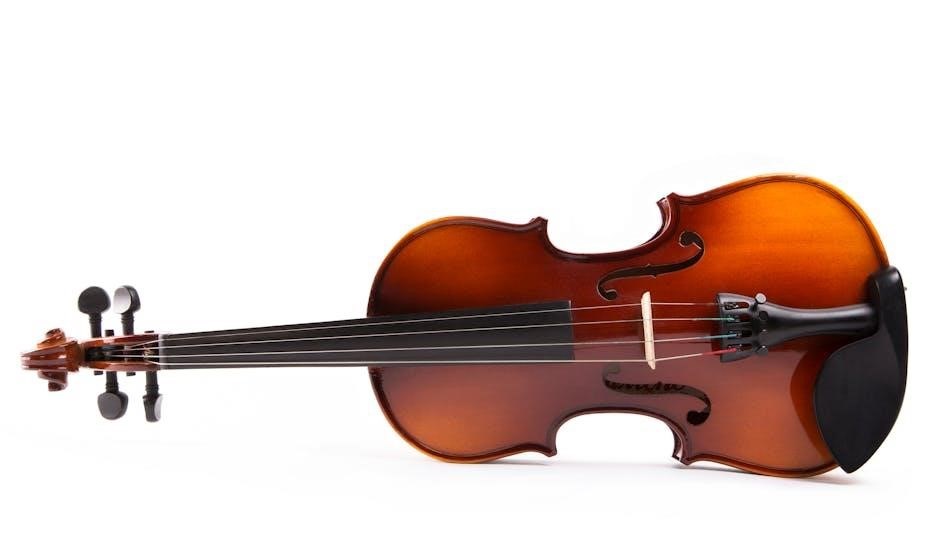
The Adagio, the concerto’s second movement, is a sublime and deeply expressive exploration of lyrical melody. Often described as one of Mozart’s most beautiful creations, it offers a poignant contrast to the energetic Allegro. A PDF score, easily accessible through resources like music-scores.com, unveils the movement’s delicate harmonic language and intricate ornamentation.
Examining a digital PDF allows musicians to appreciate the subtle interplay between the clarinet and the supporting orchestral textures. The clarinet’s sustained lines are beautifully interwoven with gentle orchestral accompaniment, creating a sense of serene intimacy. Arrangements for instruments like the descant recorder, also available as PDFs, demonstrate the adaptability of Mozart’s melodic genius.
This movement’s emotional depth is enhanced by Mozart’s masterful use of dynamics and phrasing. Studying the score reveals his careful attention to detail, allowing performers to convey the Adagio’s profound beauty with sensitivity and nuance. The availability of these scores fosters a deeper connection with Mozart’s artistry.
Movement III: Rondo: Allegro
The final movement, a Rondo: Allegro, bursts forth with playful energy and virtuosic brilliance. This lively conclusion provides a delightful contrast to the preceding Adagio, showcasing the clarinet’s agility and technical capabilities; Obtaining a PDF score, readily found on platforms like music-scores.com, allows for detailed study of its intricate structure and melodic invention.
A PDF version reveals the rondo form’s recurring thematic material, interspersed with contrasting episodes. Musicians can trace the development of these themes, appreciating Mozart’s skillful handling of form and harmony. Interestingly, arrangements for guitar, available as PDFs, demonstrate the concerto’s adaptability to different instrumental timbres.
The Rondo demands precision and flair from the clarinetist, with rapid passages and ornamented melodies. Access to a clear PDF score is invaluable for mastering these challenges. It allows performers to fully embrace the movement’s joyful spirit and deliver a captivating performance, honoring Mozart’s genius.
Clarinet Part Specifics: Range and Challenges
The clarinet part in Mozart’s K. 622 presents unique demands, requiring both technical proficiency and expressive nuance. Its range, while not extreme, necessitates a secure command across all registers. Studying a detailed PDF score, easily accessible online via resources like music-scores.com, is crucial for understanding these intricacies.

Challenges include navigating rapid passages, executing delicate ornamentation, and maintaining a consistent tone quality throughout the concerto. The PDF format allows close examination of fingerings and articulation markings, aiding in accurate interpretation. Furthermore, arrangements for instruments like the recorder, available as PDFs, highlight the melodic contours and phrasing challenges inherent in the original clarinet part.
Mastering the concerto demands careful attention to dynamics and phrasing, bringing Mozart’s lyrical melodies to life. A well-prepared PDF score serves as an essential tool for any clarinetist undertaking this rewarding, yet demanding, repertoire. It unlocks the secrets to a successful and expressive performance.
Notable Recordings and Performers
Exploring recordings of Mozart’s Clarinet Concerto in A Major, K. 622, provides invaluable insight into diverse interpretations. While a PDF score offers the notes, listening to masters reveals the music’s expressive potential. Many recordings are readily available digitally, complementing the study of a PDF version from sites like music-scores.com.
Renowned clarinetists such as Benny Goodman, Richard Stoltzman, and Sabine Meyer have all left their mark on this concerto. Their recordings showcase varying approaches to phrasing, tempo, and ornamentation. Comparing these interpretations, alongside a detailed PDF score, deepens understanding of the work’s nuances.
Furthermore, exploring recordings alongside arrangements – like those for guitar found as PDFs – can illuminate the concerto’s underlying harmonic structure and melodic beauty. These resources, both audio and visual (the PDF), offer a holistic learning experience, enriching appreciation for Mozart’s genius and the clarinet’s capabilities.

Freely Available PDF Scores Online
Numerous websites offer PDF scores of Mozart’s Clarinet Concerto in A Major, K. 622, providing accessible resources for musicians and enthusiasts. Music-scores.com stands out as a prominent source, hosting various editions, including arrangements tailored for instruments like the descant recorder and guitar; These PDFs facilitate study and performance.
Searching online reveals a range of options, from complete orchestral scores to individual parts. While quality can vary, many free PDFs are perfectly adequate for practice and analysis. The availability of these resources democratizes access to classical music, allowing wider engagement with Mozart’s masterpiece.
However, it’s crucial to verify the accuracy of free PDF scores, comparing them with established editions when possible. Music-scores.com generally offers reliable transcriptions. Utilizing these readily available PDFs, alongside recordings, creates a comprehensive learning experience, fostering a deeper appreciation for the concerto’s artistry.
Music-Scores.com as a Source for Scores
Music-scores.com emerges as a dedicated online platform for accessing sheet music, notably featuring Mozart’s Clarinet Concerto in A Major, K. 622, in PDF format. The site provides a convenient hub for musicians seeking scores, offering both standard orchestral versions and unique arrangements.

Specifically, Music-scores.com hosts a PDF arrangement of the concerto’s second movement, adapted for descant recorder and guitar, catering to diverse instrumental preferences. The platform’s image previews, like the ‘mo_kk_622b_drecgtreatab.png’ file, showcase the score’s layout and clarity. This visual access aids in evaluating the suitability of the arrangement.
Beyond the PDF availability, Music-scores.com’s interface facilitates easy navigation and download. The site’s focus on sheet music ensures a curated collection, potentially offering higher reliability compared to general search results. It’s a valuable resource for performers and students alike, seeking accessible and well-presented scores of this iconic concerto.
Adaptations for Other Instruments: Recorder and Guitar
Mozart’s Clarinet Concerto in A Major, K. 622, while originally conceived for clarinet and orchestra, has inspired adaptations for various instruments, broadening its accessibility. Notably, music-scores.com provides a PDF arrangement specifically tailored for descant recorder and guitar, demonstrating the concerto’s adaptability.
This arrangement focuses on the second movement, offering a simplified yet recognizable rendition of Mozart’s melodic genius. The guitar part often takes on the harmonic accompaniment, while the recorder beautifully carries the melodic lines. These adaptations allow musicians with different skill sets to engage with the concerto’s core musical ideas.
Such transcriptions are valuable for educational purposes, introducing students to classical repertoire through more approachable instrumentation. The availability of these PDF scores, as showcased on music-scores.com, encourages exploration and performance beyond the traditional clarinet setting, fostering a wider appreciation for Mozart’s masterpiece.
Analyzing the Harmonic Language
Mozart’s Clarinet Concerto in A Major, K. 622, showcases a refined harmonic language characteristic of his late style. While a full harmonic analysis requires a detailed score, readily available PDF versions – such as those found on music-scores.com – facilitate such study.
The concerto largely resides within the tonal center of A major, but Mozart masterfully employs chromaticism and subtle modulations to create expressive depth. Expect to find frequent use of secondary dominants and diminished chords, adding color and harmonic interest. The interplay between major and minor tonalities contributes to the concerto’s emotional range.

Analyzing the PDF score reveals Mozart’s skillful voice leading and careful attention to harmonic pacing. The concerto’s harmonic structure supports the lyrical clarinet melodies, creating a seamless blend of form and expression. Studying the harmonic progressions provides insight into Mozart’s compositional techniques and his ability to evoke profound emotion through sound;
The Role of the Clarinet in Mozart’s Late Works
Mozart’s embrace of the clarinet in his later compositions represents a significant shift in his orchestral palette. Previously, the oboe held a prominent role, but Mozart discovered the clarinet’s unique expressive capabilities, particularly its lyrical tone and blend of warmth and clarity. The Clarinet Concerto in A Major, K. 622, stands as the pinnacle of this exploration.
Accessing a PDF score, easily found on sites like music-scores.com, allows for detailed examination of how Mozart utilizes the clarinet’s range and timbre. He frequently assigns the clarinet cantabile melodies, exploiting its ability to sustain long phrases with beautiful tone. The concerto isn’t merely a showcase for virtuosity; it’s a dialogue between the soloist and orchestra.
This late-life fascination suggests Mozart recognized the clarinet’s potential for conveying a new level of emotional nuance. The instrument’s voice, so distinct yet capable of blending seamlessly, became integral to his mature compositional style, leaving a lasting legacy.
Influence on Subsequent Composers
Mozart’s Clarinet Concerto in A Major, K. 622, profoundly impacted composers who followed, establishing a new standard for the instrument’s integration into orchestral and solo repertoire. The concerto’s lyrical beauty and structural elegance served as a model for future generations.
Studying a PDF score, readily available through resources like music-scores.com, reveals the concerto’s innovative harmonic language and melodic invention. Composers like Weber, who wrote his own clarinet concertos, directly responded to Mozart’s precedent, expanding the instrument’s expressive possibilities.
The concerto’s influence extends beyond the clarinet world. Its balanced form and sensitive orchestration inspired composers across various genres. The concerto’s enduring popularity ensures its continued relevance, and its accessibility through digital scores fosters ongoing study and performance. It remains a cornerstone of the clarinet repertoire, inspiring musicians and composers alike.
Technical Aspects of Playing the Concerto
Mastering Mozart’s Clarinet Concerto in A Major, K. 622, demands significant technical proficiency. The concerto requires a refined embouchure, precise fingerwork, and exceptional breath control to navigate its lyrical melodies and intricate passages. A PDF score, easily accessed via platforms like music-scores.com, is crucial for detailed study.
Players must address challenges such as the concerto’s wide range, demanding ornamentation, and subtle dynamic shifts. The Adagio movement, in particular, tests the performer’s ability to sustain long phrases with beautiful tone and expressive phrasing. Careful attention to articulation and phrasing is essential.
Furthermore, understanding the concerto’s harmonic structure, visible within the PDF, aids in informed interpretation. Successful performance relies on a balance between technical accuracy and musical sensitivity, bringing Mozart’s genius to life. The concerto’s technical demands reward diligent practice and thoughtful musicianship.
Common Performance Practices
Historically informed performance practice significantly influences interpretations of Mozart’s Clarinet Concerto. Modern performers often consult PDF scores alongside scholarly editions to understand ornamentation, articulation, and tempo expectations of Mozart’s era. Music-scores.com provides access to various score editions.
Regarding ornamentation, performers frequently realize written appoggiaturas and grace notes, adding expressive embellishments. A degree of rubato – subtle tempo fluctuations – is often employed, particularly in the lyrical Adagio movement, enhancing its emotional impact. However, excessive rubato is generally avoided.
Articulation typically favors a lighter, more detached style, reflecting the Classical aesthetic. Careful attention to phrasing and dynamic contrasts is crucial. Studying recordings of renowned clarinetists alongside the PDF score helps develop a nuanced understanding of these practices. Ultimately, a balance between historical awareness and individual artistry shapes compelling performances.
Educational Resources for Studying the Concerto
Numerous resources aid in studying Mozart’s Clarinet Concerto, beginning with readily available PDF scores from sites like music-scores.com. These provide a foundation for analysis and practice. Beyond scores, online platforms offer detailed analyses of the concerto’s form, harmony, and melodic development.
University music libraries and online databases contain scholarly articles exploring the concerto’s historical context and compositional techniques. Listening to multiple recordings – featuring diverse interpretations – is invaluable. Supplementing this with a score allows for ‘following along’ and identifying specific musical features.
For clarinet students, etudes based on concerto excerpts build technical proficiency. Analyzing the clarinet part’s range and challenges, as detailed in pedagogical materials, enhances understanding. Websites offering guitar and recorder arrangements (also available as PDFs) provide comparative insights into Mozart’s melodic writing.
Where to Find Sheet Music and Arrangements (Beyond PDFs)
While PDF scores from sites like music-scores.com offer convenient access, traditional sheet music retailers provide high-quality, professionally printed editions of Mozart’s Clarinet Concerto; Major music stores, both physical and online, stock Urtext editions – representing the composer’s original intentions – from publishers like Henle Verlag and Bärenreiter.
Beyond the standard orchestral score and clarinet part, arrangements for various ensembles are available. These include chamber versions for clarinet quintet or wind ensemble, expanding performance possibilities. Websites specializing in classical sheet music often carry these arrangements, alongside study scores designed for analytical purposes.
Furthermore, exploring resources for related instruments – such as guitar or recorder arrangements (often found alongside PDF options) – can offer unique perspectives on Mozart’s compositional style. Libraries and university music departments frequently hold extensive collections of orchestral scores and chamber arrangements.