Albania: A Comprehensive Travel Guide (2026)
This 2026 guide unlocks Albania’s beauty, offering practical tips, maps, and insider experiences for independent travelers seeking adventure and cultural immersion.
Albania, a hidden gem in Southeastern Europe, is rapidly emerging as a must-visit destination for discerning travelers. For years, it remained largely untouched by mass tourism, preserving its authentic culture, dramatic landscapes, and remarkable affordability. This guide serves as your passport to discovering a land where ancient history blends seamlessly with vibrant modernity.
From the rugged peaks of the Albanian Alps to the idyllic shores of the Riviera, Albania offers an unparalleled diversity of experiences. Explore UNESCO World Heritage sites like Berat and Gjirokastër, wander through bustling cities like Tirana, and uncover the secrets of ancient ruins like Butrint.
Prepare to be captivated by the warmth of the Albanian people, the delicious flavors of its cuisine, and the sheer beauty of its unspoiled nature. This guide will equip you with everything you need to plan an unforgettable journey.
Planning Your Trip to Albania
Careful planning ensures a smooth Albanian adventure! Consider the best time to visit, visa requirements, and transportation options for an unforgettable experience;
Best Time to Visit Albania
Determining the ideal time to visit Albania depends on your priorities. For sun-seekers and beach lovers, the Albanian Riviera shines brightest from June to September, boasting warm temperatures and plenty of sunshine. July and August are peak season, offering lively atmospheres but also larger crowds and higher prices.
Spring (April-May) and Autumn (October-November) present a sweet spot – pleasant weather, fewer tourists, and lower costs. These shoulder seasons are perfect for exploring cultural sites and hiking. The Albanian Alps are best visited during the summer months (June-September) when the mountain passes are accessible. Winter (December-March) brings snow to the mountains, ideal for skiing, but many coastal areas experience cooler, wetter conditions.
Visa and Entry Requirements
For many nationalities, Albania offers a visa-free entry for tourism purposes, typically allowing stays of up to 90 days within a 180-day period. This includes citizens of the EU, USA, Canada, and the UK. However, it’s crucial to verify the specific requirements based on your citizenship before travel, as regulations can change.
A valid passport with at least six months of validity remaining is essential. While not always required, having proof of onward travel (like a return ticket) and sufficient funds for your stay is advisable. If you plan to stay longer than 90 days, or for purposes other than tourism, you’ll likely need to apply for a visa in advance through an Albanian embassy or consulate.
Getting Around Albania: Transportation Options
Navigating Albania offers diverse options, from budget-friendly buses to more convenient private transport. Buses are the most common and affordable way to travel between cities, though schedules can be infrequent and routes winding. ‘Furgons’ (minibuses) provide a faster, more flexible alternative, often departing when full.
Renting a car grants independence, especially for exploring remote areas, but be prepared for challenging road conditions in some regions. Taxis are readily available in cities, and ride-sharing apps are emerging. Ferries connect coastal towns along the Albanian Riviera, offering scenic journeys. Consider internal flights for longer distances, though options are limited.
Must-Visit Destinations in Albania
Explore Albania’s treasures: vibrant Tirana, historic Berat and Gjirokastër, ancient Butrint, and the stunning Albanian Riviera – each offering unique cultural experiences.
Tirana: The Vibrant Capital
Tirana, Albania’s energetic capital, is a captivating blend of Ottoman, Italian, and Soviet influences. Once a grey communist city, it’s now a kaleidoscope of colorful buildings, particularly those revitalized by former mayor Edi Rama’s initiative.
Skanderbeg Square, the city’s central plaza, is a must-see, surrounded by the National Historical Museum, the Et’hem Bey Mosque, and the Clock Tower. Explore the Blloku district, formerly reserved for communist elites, now brimming with trendy cafes, bars, and boutiques.
Take a ride on the Dajti Ekspres cable car for panoramic views, and delve into the city’s art scene at the National Gallery of Arts. Tirana offers a dynamic urban experience, seamlessly blending history, culture, and modern life, making it an unforgettable starting point for your Albanian adventure.
Berat: The City of a Thousand Windows (UNESCO)
Berat, a UNESCO World Heritage site, truly earns its nickname, “The City of a Thousand Windows.” Its unique Ottoman-era architecture features distinctive white houses cascading down the hillside towards the Osum River, creating a breathtaking spectacle.
Explore the historic Kala (castle) neighborhood, still inhabited today, and wander through its cobbled streets, discovering Byzantine churches adorned with stunning frescoes and the Onufri Iconography Museum, showcasing masterpieces of Albanian icon painting.
Cross the Gorica Bridge, an elegant stone structure, to reach the Gorica neighborhood, offering picturesque views back towards the Kala. Berat’s timeless charm and rich history make it a captivating destination, offering a glimpse into Albania’s cultural heritage.
Gjirokastër: Stone City and Ottoman Heritage (UNESCO)
Gjirokastër, another UNESCO World Heritage site, is renowned as the “Stone City” due to its distinctive Ottoman-era architecture. Its steep, cobbled streets are lined with imposing stone houses, fortresses, and traditional bazaars, creating a remarkably preserved historical atmosphere.
Dominating the skyline is the Gjirokastër Fortress, offering panoramic views of the Drino Valley and housing a military museum and a US Air Force plane downed during the Cold War. Explore the Skenduli House, a beautifully preserved Ottoman-era home, offering insights into traditional life.
Wander through the Old Bazaar, browsing local crafts and enjoying traditional Albanian hospitality. Gjirokastër’s unique character and rich history make it an unforgettable destination.
Butrint: Ancient Ruins and Archaeological Park (UNESCO)
Butrint, a UNESCO World Heritage site, stands as a testament to Albania’s layered history, showcasing remnants from Greek, Roman, Byzantine, and Venetian civilizations. This ancient city, nestled within a national park, offers a captivating journey through time, revealing remarkably well-preserved ruins.
Explore the ancient theatre, the baptistery with its stunning mosaic floor, and the Venetian tower, each echoing stories of past empires. The site’s location, surrounded by a lagoon and lush vegetation, adds to its mystical allure.
Butrint provides a unique opportunity to witness the convergence of cultures and appreciate the enduring legacy of the Mediterranean world.
Albanian Riviera & Coastal Regions
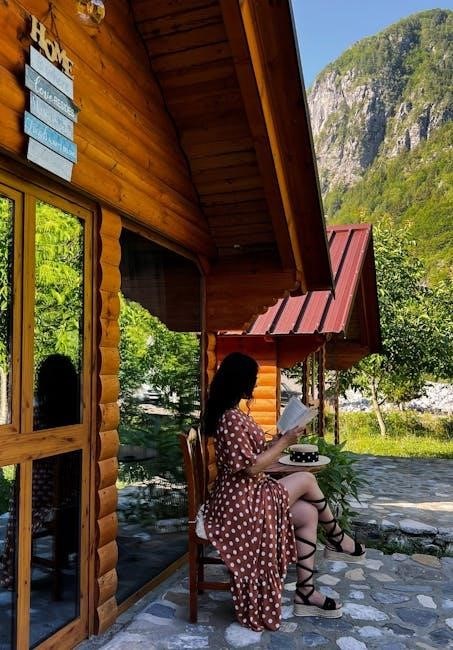
Discover Albania’s stunning coastline, boasting pristine beaches, charming villages like Himara, and the idyllic Ksamil islands – a Mediterranean paradise awaits!
Sarandë: Gateway to the Riviera
Sarandë serves as the vibrant hub and primary access point to the breathtaking Albanian Riviera. This coastal city offers a compelling blend of modern amenities and traditional charm, making it an ideal base for exploring the surrounding wonders. Expect a lively promenade lined with restaurants, cafes, and bars, offering stunning views of the Ionian Sea.
From Sarandë, easy access is granted to nearby attractions like the ancient city of Butrint, a UNESCO World Heritage site, and the picturesque beaches of Ksamil. The city itself boasts several beaches, including the main city beach and smaller, more secluded coves. Sarandë’s strategic location also facilitates day trips to other coastal gems along the Riviera, ensuring a diverse and unforgettable experience for every traveler. Expect a bustling atmosphere, especially during peak season, and a wide range of accommodation options to suit all budgets.
Ksamil: Beaches and Islands
Ksamil is renowned for its idyllic beaches and stunning turquoise waters, often compared to the Caribbean. This coastal paradise features a cluster of small, uninhabited islands just offshore, accessible by swimming, kayaking, or boat. The beaches themselves are a mix of sandy and pebbly stretches, offering crystal-clear waters perfect for swimming and snorkeling.
Expect a more relaxed atmosphere than Sarandë, though Ksamil has experienced increased development in recent years. Numerous beach bars and restaurants line the shore, providing refreshments and delicious seafood. The islands offer a sense of seclusion and adventure, ideal for exploring hidden coves and enjoying panoramic views. Ksamil is a must-visit destination for beach lovers and those seeking a tranquil escape on the Albanian Riviera, offering a truly unforgettable coastal experience.
Himara: Coastal Charm and Beaches
Himara presents a captivating blend of coastal beauty, historical significance, and authentic Albanian charm. This town boasts a picturesque waterfront, backed by olive groves and rugged mountains. Several beautiful beaches dot the coastline, ranging from lively, organized stretches to secluded coves perfect for relaxation. Livadhi Beach, Potam Beach, and Jale Beach are particularly popular choices, offering clear waters and sun-kissed sands.
Himara’s old town, with its traditional stone houses and winding streets, invites exploration. The town also features a medieval castle offering panoramic views. Enjoy fresh seafood at local restaurants and experience the warm hospitality of the locals. Himara provides a more laid-back alternative to the busier resorts, making it ideal for those seeking a genuine coastal experience.
Exploring the Albanian Alps
Venture into the majestic Albanian Alps, discovering breathtaking trails, traditional villages like Theth and Valbonë, and the challenging Peaks of the Balkans Trail.
Theth: Hiking and Traditional Villages
Theth, nestled within the Albanian Alps, presents an unforgettable escape into a world of rugged beauty and timeless tradition. This remote village, accessible via a scenic (and sometimes challenging!) mountain road, serves as a premier base for hikers and nature enthusiasts; Explore the iconic Lock-in Tower, a historical stone structure offering a glimpse into the region’s past, and marvel at the cascading Grunas Waterfall.
Numerous hiking trails cater to all levels, from gentle strolls through wildflower meadows to demanding ascents offering panoramic views. Immerse yourself in the local culture by staying in a traditional guesthouse, savoring authentic Albanian cuisine prepared with fresh, local ingredients, and experiencing the warm hospitality of the villagers. Theth embodies the spirit of the Albanian Alps – wild, unspoiled, and profoundly captivating.
Valbonë: Valley of Valbonë National Park
Valbonë Valley National Park is a hiker’s paradise, renowned for its dramatic peaks, lush meadows, and pristine rivers. This stunning valley offers a diverse range of trails, from day hikes to multi-day treks, including the famed Peaks of the Balkans Trail. Discover hidden waterfalls, explore dense forests, and encounter diverse wildlife as you immerse yourself in the natural beauty of the Albanian Alps.
The village of Valbonë itself provides a welcoming base, with guesthouses offering comfortable accommodation and delicious, home-cooked meals. Experience the authentic rural lifestyle, connect with local families, and enjoy the tranquility of this remote mountain haven. Valbonë is a destination that truly captivates the soul, leaving visitors with lasting memories of Albania’s wild heart.
Hiking the Peaks of the Balkans Trail
The Peaks of the Balkans Trail is a challenging yet rewarding multi-day trek traversing Albania, Kosovo, and Montenegro. This iconic trail showcases the region’s stunning mountain scenery, remote villages, and rich cultural heritage. Expect diverse terrain, ranging from rugged peaks and alpine meadows to dense forests and crystal-clear rivers.
Typically taking 10-12 days to complete, the trail requires a good level of fitness and preparation. Accommodation is primarily in guesthouses along the route, offering a chance to experience local hospitality and cuisine. The Peaks of the Balkans Trail is an unforgettable adventure for experienced hikers seeking an immersive experience in the heart of the Balkans.
Albanian Culture and Cuisine
Discover Albania’s welcoming spirit, rich customs, and a culinary journey featuring farm-to-table meals and unique flavors—a delightful exploration for every traveler.
Albanian Food and Drink: A Culinary Journey
Albanian cuisine is a delightful fusion of Balkan and Mediterranean flavors, reflecting its rich history and diverse influences. Expect fresh, locally-sourced ingredients taking center stage, from succulent grilled meats like qofte (meatballs) and tavë kosi (baked lamb and rice with yogurt) to vibrant salads and flavorful stews.
Seafood is abundant along the coast, offering delicious options like grilled fish and mussels. Don’t miss trying byrek, a savory pastry filled with cheese, spinach, or meat – a true Albanian staple!
To complement your meals, sample local wines and raki, a traditional fruit brandy. Coffee culture is strong, with cafes serving strong, aromatic brews. Exploring Albanian food is an integral part of experiencing the country’s warm hospitality and vibrant culture, offering a truly authentic taste of the Balkans.
Understanding Albanian Customs and Etiquette
Albanian culture places a high value on hospitality, respect for elders, and strong family ties. Guests are often treated with immense generosity, and refusing offers of food or drink can be considered impolite. Direct eye contact is generally appreciated, demonstrating sincerity and attentiveness.
Modest dress is recommended, especially when visiting religious sites. Public displays of affection are relatively uncommon. Gift-giving is customary when invited to someone’s home; small tokens of appreciation are well-received.

Learning a few basic Albanian phrases, like “Faleminderit” (thank you), will be greatly appreciated. Punctuality isn’t always strictly observed, and a relaxed attitude is common. Understanding these nuances will enhance your interactions and demonstrate respect for Albanian traditions.
Language and Communication
The official language of Albania is Albanian (Shqip), with two main dialects: Gheg (north) and Tosk (south). While English is increasingly spoken in tourist areas, particularly in Tirana, Sarandë, and Ksamil, its prevalence diminishes as you venture off the beaten path. Learning a few basic Albanian phrases is highly recommended and greatly appreciated by locals.
Italian is also widely understood, a legacy of historical ties. Road signs are generally in Albanian, with increasing English translations in popular destinations. Communication can sometimes be challenging outside of tourist hubs, so patience and a willingness to use gestures are helpful.
Mobile phone coverage is generally good, and Wi-Fi is available in most hotels and cafes.

Practical Information for Travelers
Essential details regarding money, safety, health, and accommodation are provided, ensuring a smooth and informed journey through Albania’s diverse landscapes.
Money and Banking in Albania
The local currency is the Albanian Lek (ALL). While Euros are often accepted in tourist areas, especially along the Riviera, expect a less favorable exchange rate. US Dollars and British Pounds are also sometimes exchanged, but the Lek is preferred for most transactions. ATMs are readily available in cities like Tirana, Berat, and Sarandë, but can be less frequent in remote mountainous regions or smaller villages.
Credit cards (Visa and Mastercard) are accepted in larger hotels, restaurants, and shops, but carrying cash is essential, particularly for smaller establishments, local markets, and transportation. Be aware that some establishments may charge a commission for credit card use. It’s advisable to inform your bank of your travel plans to avoid any issues with card usage. Foreign exchange offices (“kambium”) are found in major cities, offering competitive rates. Bargaining is not generally expected, but confirming the exchange rate before any transaction is always a good practice.
Safety and Health Considerations
Albania is generally a safe country for travelers, with a low crime rate, particularly violent crime. However, petty theft, such as pickpocketing, can occur in crowded tourist areas, so remain vigilant with your belongings. Be cautious of scams, especially when exchanging money or taking taxis. Road safety can be a concern; roads in mountainous areas can be narrow, winding, and poorly maintained.
Regarding health, no specific vaccinations are required for entry, but it’s advisable to be up-to-date on routine vaccinations. Food and water are generally safe, but drinking bottled water is recommended. Public healthcare facilities are limited, so comprehensive travel insurance is essential. Sun protection is crucial during the summer months, and insect repellent is advisable, especially in rural areas. Be mindful of stray animals, and avoid approaching them.
Accommodation Options in Albania
Albania offers a diverse range of accommodation to suit all budgets and preferences. From luxurious hotels in Tirana and Sarandë to charming guesthouses in traditional villages, there’s something for everyone. Boutique hotels are increasingly popular, offering stylish and personalized experiences. Budget travelers can find affordable hostels and guesthouses, particularly along the coast.
Airbnb is widely available, providing opportunities to stay in local homes and apartments. Camping is also an option, with several campsites located near national parks and beaches. During peak season (July-August), booking in advance is highly recommended, especially in popular destinations. Consider staying in traditional stone houses (‘kulla’) for a unique cultural experience. Expect varying levels of comfort and amenities depending on the price point.