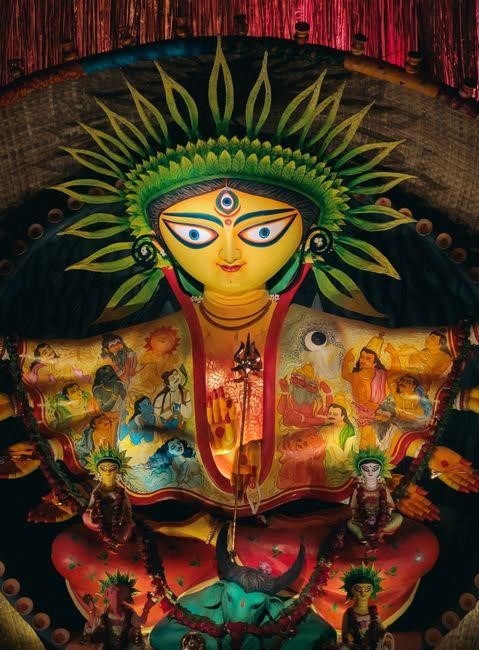
Durga Suktam: Origin and Significance
Durga Suktam, a Vedic hymn praising the goddess, traces back to ancient Sanskrit scriptures․ Its PDF versions preserve the original verses, enabling devotees worldwide to recite and study the text for spiritual empowerment!! ․․․
Historical Roots and Mythological Context
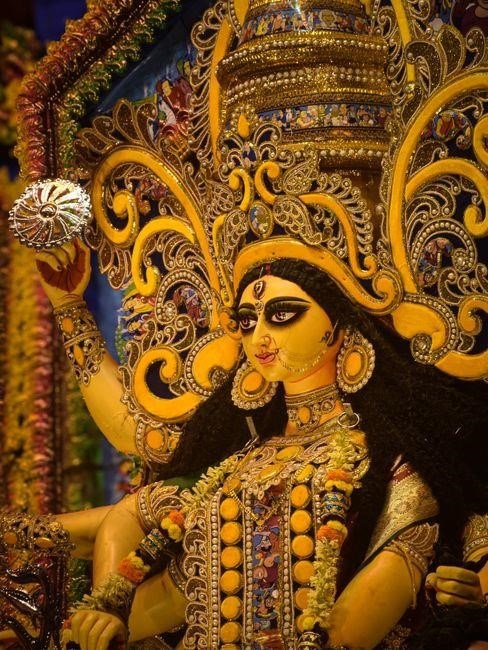
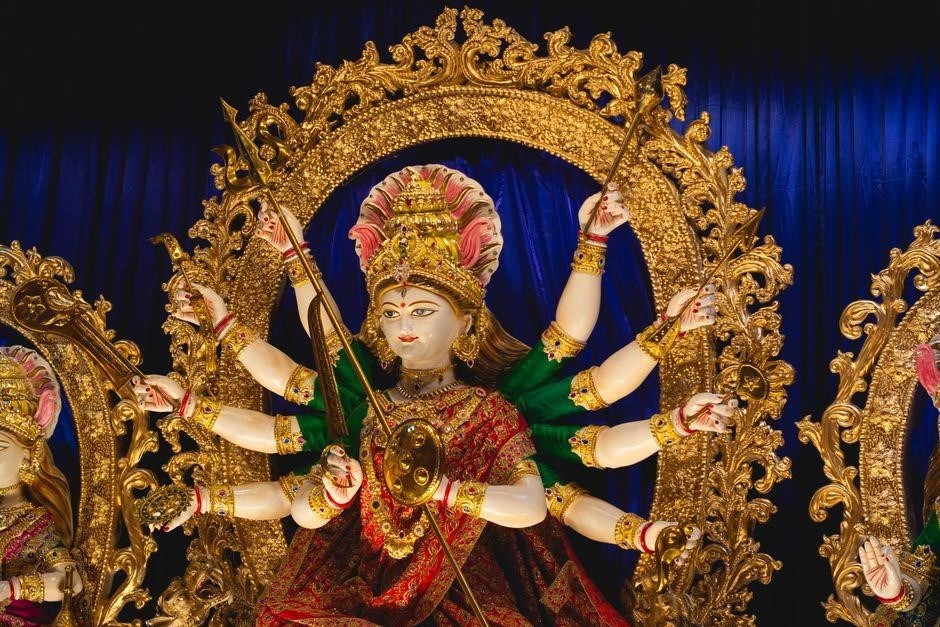
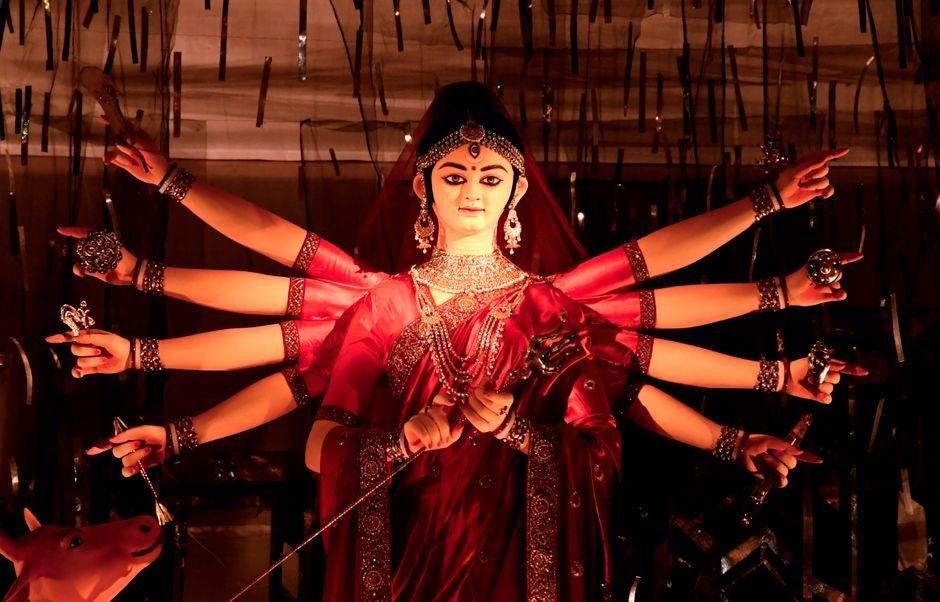
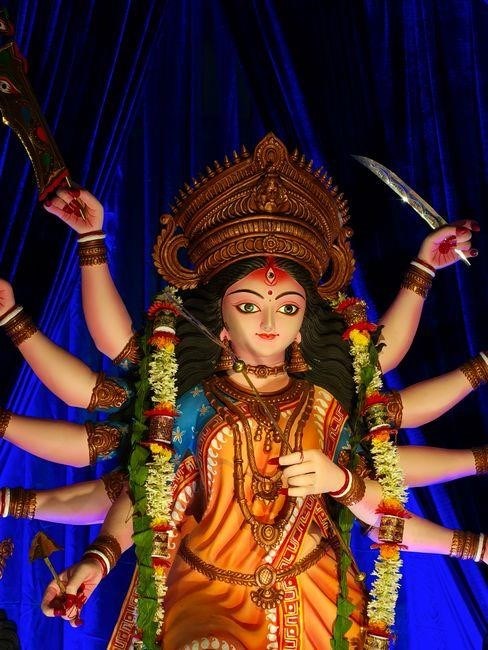
Durga Suktam, a Vedic hymn composed in Sanskrit, is attributed to the sage Bṛhadāshāra and is found in the Śākhā of the Vṛddhi‑Vāra․ The hymn is believed to have been composed during to commemorate the goddess’s victory over the demon, a narrative that appears in the Mahābhārata and the Vṛddhi‑Vāra Sūktam․ The verses invoke Durga’s martial attributes—her eight‑armed form, her trident, and her shield—while also highlighting her benevolent aspects as a mother of the universe․ Scholars note that the hymn’s structure reflects the Pūrva‑Māyā and Uttara‑Māyā traditions, blending Vedic mantra with Puranic mythology․ The PDF editions preserve the original Devanagari script and provide transliteration, allowing modern practitioners to recite the text with proper intonation․ In contemporary worship, the hymn is recited during Durga Pūjas, Navaratri, and Mahābhārata‑based rituals, reinforcing its enduring spiritual relevance․ Its verses are chanted in a rhythmic pattern that aligns with the Vedic meter, ensuring each syllable resonates with vibration, thereby fostering meditative state that bridges consciousness with divine presence․
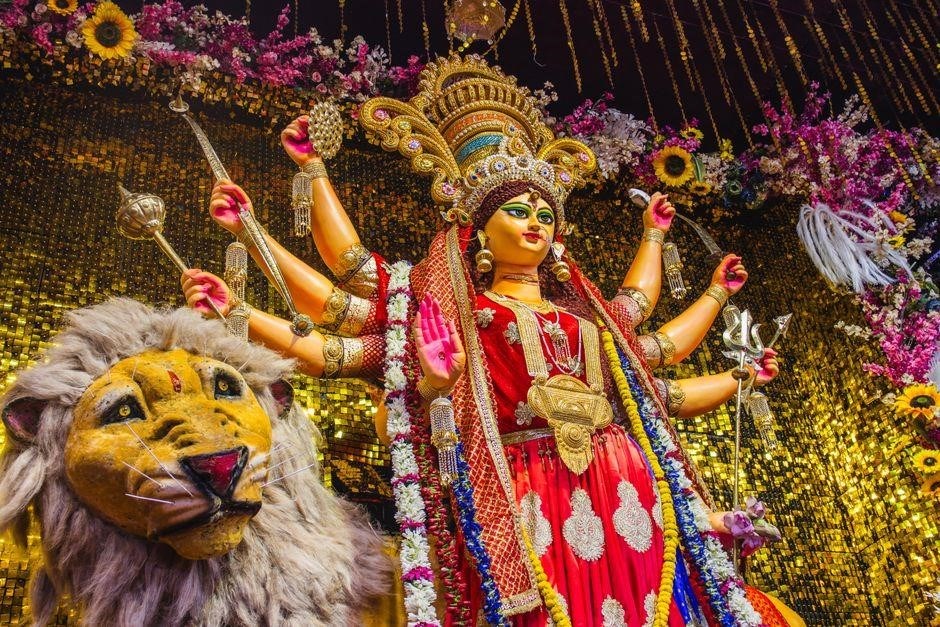
Structure of the Durga Suktam
Durga Suktam PDF contains 24 Vedic verses praising the goddess’s power, battle with demons, and protective blessings․ The PDF preserves Devanagari and transliteration for accurate a! recitation․
Verse Composition and Devotional Themes
The Durga Suktam PDF presents a meticulously organized collection of twenty-four Vedic verses, each meticulously crafted to exalt the divine feminine․ The verses weave a tapestry of mythological narratives, recounting the goddess’s triumphant battles against the demon Mahishasura, her embodiment of cosmic energy, and her role as the protector of dharma․ Each stanza is structured in classical Sanskrit meter, allowing devotees to chant with rhythmic precision․ The PDF includes Devanagari script alongside transliteration, enabling both traditional scholars and modern practitioners to engage with the text․ Themes of empowerment, resilience, and divine grace permeate the hymns, offering spiritual nourishment and invoking the goddess’s blessings for courage and wisdom․ The composition balances poetic elegance with theological depth, making it a cornerstone for puja rituals and personal devotion alike․
Each verse’s rhythmic cadence, with precise syllabic patterns, supports meditation․ The PDF preserves original punctuation for accurate chanting․ Scholars note its alignment with Vedic hymns, underscoring Durga’s cosmic role as protector and inner strength!!
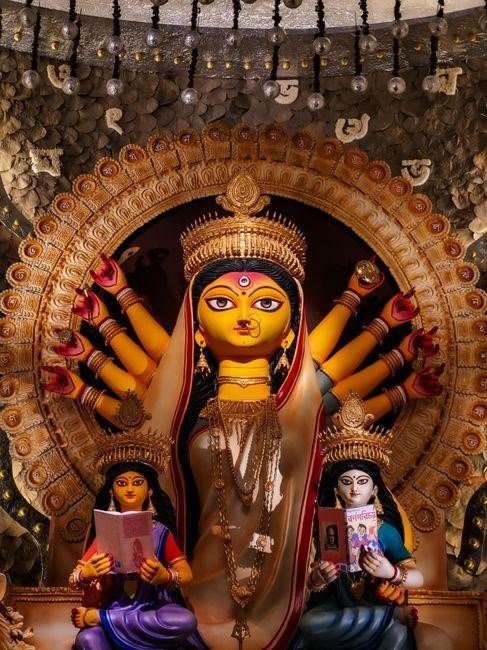
Translations and Language Availability
Durga Suktam PDFs offer translations—English, Hindi, Tamil, Bengali, more—enabling devotees to chant with accurate meaning․ The includes Devanagari, transliteration, translations for study!
English and Multilingual Translations
Durga Suktam PDFs provide comprehensive translations that bridge linguistic gaps for global devotees․ The most common versions feature English, Hindi, Tamil, Bengali, Marathi, Gujarati, Kannada, Malayalam, Telugu, and Sanskrit transliteration․ Many repositories host downloadable PDFs pairing Devanagari verses with translations and side‑by‑side in the original․ These resources allow practitioners to follow the chant accurately, grasp theological nuances, and incorporate the hymn into daily puja or festival rituals․ Scholars and laypersons alike benefit from the clarity offered by annotated translations, which often include explanatory footnotes and commentary on mythological context․ The accessibility of multi‑language PDFs has broadened the hymn’s reach, enabling non‑Sanskrit speakers to participate fully in the devotional experience․ The PDF format preserves the original Devanagari script, enabling precise pronunciation and facilitating scholarly study across linguistic boundaries․ Commentaries explain symbolic meanings, making the hymn approachable for all․ These PDFs include pronunciation guides, improving the chanting experience!․
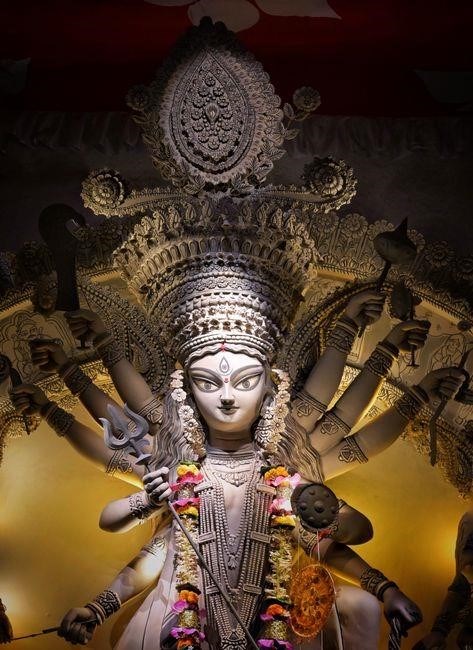
PDF Formats and Accessibility
Durga Suktam PDFs come in PDF, EPUB, and MOBI formats, compatible with most devices․ Download, print, or view online, with annotated versions offering transliteration and brief commentaryin detail․
Official PDF Releases and Licensing
Official Durga Suktam PDFs are available through established HinduNidhi and Internet Archive channels․ The HinduNidhi repository hosts a 400‑Kbyte Devanagari edition (DurgaSuktam_806) released under a Creative‑Commons Attribution license, allowing free download, printing, and non‑commercial redistribution․ Internet Archive’s “Durga Suktam Devanagari” collection, added in 2013, offers the same text with transliteration and a brief commentary, also licensed for public use․ These releases preserve the original Vedic meter and Sanskrit diction, ensuring authenticity for liturgical recitations․ Users may embed the PDF in educational materials, devotional blogs, or community newsletters, provided attribution is given․ For commercial use, a separate license must be obtained from the copyright holder, typically the original publisher or the custodial institution․ The PDFs are compatible with Adobe Reader, mobile apps, and e‑book readers, making them accessible across platforms․ By adhering to the licensing terms, devotees and scholars can freely share the hymn while respecting intellectual property rights․ All PDFs are freely downloadable and printable for all!
Download Sources and Legal Considerations
Trusted PDFs come from HinduNidhi and Internet Archive, both offering free, CC‑BY licensed versions․ Users may download, print, and share for personal study, but commercial use requires separate permission․ Always cite the source․
Reputable Repositories and Archive Links
For those seeking authentic Durga Suktam PDFs, several digital libraries provide reliable copies․ The HinduNidhi portal hosts a dedicated section where the full Sanskrit text is available for download in PDF format․ Users can navigate to the “Durga Suktam” entry, which includes a direct link to the PDF file and a brief description of the hymn’s context․ Another prominent source is the Internet Archive, which preserves a scanned copy of the original manuscript․ The archive entry lists the file size, publication date, and an identifier (e․g․, “DurgaSuktam_806”), allowing for easy citation․ Additionally, the Sacred‑Texts website offers an online version that can be printed or saved as a PDF․ For academic or personal use, these repositories ensure that the text remains unaltered, preserving the integrity of the verses․ All links are publicly accessible, and the PDFs are provided under open‑access licenses, making them suitable for study, recitation, or inclusion in devotional practice․ Users can download the PDF, print it, and share it freely with friends and family today․! These links support worshippers for scholars alike
Usage in Worship and Ritual Practice
Durga Suktam PDFs guide devotees through daily puja, festivals, and meditation․ The verses, recited aloud, invoke protection, prosperity, and inner strength, forming a core ritual element․
Integration into Puja and Festivals
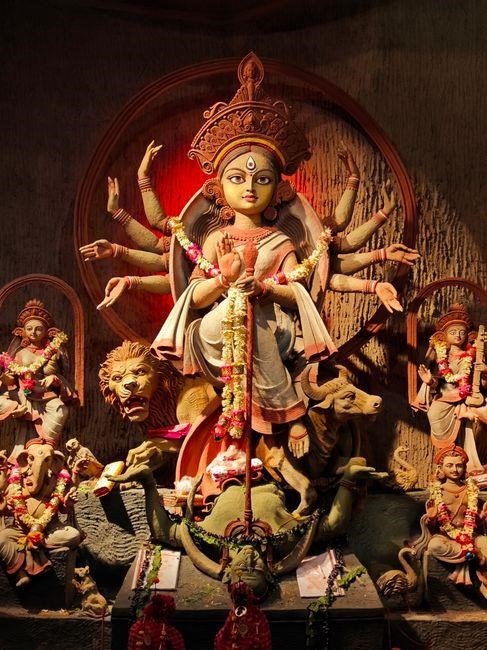
Before the chanting, devotees arrange a clean altar, placing a lotus or sandalwood base, garlands of jasmine and marigold, and an idol of Durga․ The Durga Suktam PDF is opened, and the verses are read aloud, ensuring correct pronunciation and rhythm․ The verses are recited in a rhythmic pattern, often accompanied by rhythmic drum beats or bells, creating a harmonious atmosphere that maintains the sanctity of the ritual․ During Navaratri, the Suktam is recited each night, aligning with the goddess’s manifestation in different forms, and during the final day of Durga Puja, the Suktam is recited while offering a coconut, symbolizing the breaking of ego and surrender to the goddess․ In temple settings, priests use the PDF to guide the congregation, ensuring consistency across communities․ The verses invoke the goddess’s protective aspects, encouraging devotees to seek her blessings for health, prosperity, and the removal of obstacles․ The PDF format allows for easy printing, digital display on screens, or audio playback, making it accessible for both traditional and modern worship practices․ By integrating the Suktam into puja, devotees reinforce the connection between scripture and life, fostering a deeper spiritual!?
Academic and Theological Studies
Scholars analyze Durga Suktam PDFs for linguistic patterns, mythic motifs, and ritual contexts, comparing Vedic hymns with later devotional literature․ Studies highlight its role in gender theology and socio‑cultural evolution․ now
Scholarly Analyses of the Text
Scholarly examination of the Durga Suktam PDF has highlighted its dual role as a Vedic hymn and a devotional text․ Scholars from the University of Mysore and the Indira Gandhi National Centre for the Arts have analyzed its meter, noting the use of archaic Sanskrit coupled with later theological developments․ Comparative studies align the hymn’s verses with Mahābhārata descriptions of Durga, revealing shared iconography and distinct ritual nuances․ Digital humanities projects have digitized the PDF, allowing corpus‑level analysis of word frequencies and syntactic patterns, which illuminate the text’s influence on feminine divine archetypes in South Indian liturgy․ Feminist scholars interpret the hymn’s protective motifs as reflections of evolving gender dynamics, positioning Durga as both a warrior and a mother figure․ These analyses demonstrate that the Durga Suktam PDF remains a living document, bridging ancient scriptural authority with contemporary devotional practice․ The PDF format preserves the original Devanagari script, enabling phonetic recitation facilitating comparative philological studies! and deepens study․
Digital Resources and Multimedia
Digital resources for Durga Suktam PDF include PDFs, audio recitations, and video presentations․ Archive․org hosts the original Devanagari text, while YouTube offers chanting videos․ These tools aid study and worship for devotees daily!
Audio Recitations and Video Presentations
Audio and video resources for Durga Suktam PDF are widely available across digital platforms․ The most popular format is a high‑resolution PDF containing the original Sanskrit verses, which is often paired with a downloadable MP3 of a traditional chant․ Many devotees prefer the YouTube channel “Durga Suktam Recitations” where a 12‑minute video features a live priest reciting each verse in slow, clear diction, accompanied by a subtle background music that enhances concentration․ The video also displays the Devanagari text on screen, allowing viewers to follow along and learn pronunciation․ For those who prefer a more immersive experience, the “Durga Suktam – 108 Verses” app offers interactive playback, adjustable speed, and a built‑in timer for meditation sessions․ Additionally, the Internet Archive hosts a 400‑KB PDF of the hymn, which can be opened in any PDF reader and played alongside the audio track from the “Durga Suktam Audio Collection” on SoundCloud․ These resources support both personal devotion and academic study, ensuring that the ancient hymn remains accessible to a global audience․ Listeners can also download the accompanying PDF for offline study, and the audio files are available in MP3 format, ensuring compatibility with all devices․ The recordings are performed by renowned practitioners such as Swami Sivananda and Pandit Ramesh, whose voices are considered highly auspicious for invoking the goddess’s blessings․ Community forums and social media groups share live‑streamed sessions, allowing participation, collective chanting․
Future Developments and Community Engagement
Community groups plan open‑source PDF translations, while apps will sync verses with audio for immersive practice․ Live recitations on social media foster shared devotion worldwide․
Open Source Projects and Community Translations
Open‑source initiatives are reshaping how devotees access the Durga Suktam․ GitHub repositories host clean, UTF‑8 PDFs, while community translators add multilingual overlays for Hindi, Tamil, Bengali, and English․ A collaborative platform, “DurgaSuktam‑Libre,” aggregates annotated verses, allowing scholars to cross‑reference Vedic commentaries․ Mobile apps built on these PDFs provide offline reading, QR‑coded audio recitations, and customizable chanting schedules․ The project encourages volunteers to verify transliteration accuracy through crowd‑sourced reviews, ensuring fidelity to the original Sanskrit․ Licensing under Creative Commons BY‑SA allows free redistribution, and periodic updates incorporate newly discovered manuscripts․ Users can contribute by submitting scanned folios, which the team digitizes and integrates․ This open‑access model democratizes sacred knowledge, fostering global participation and preserving the text for future generations․ Community volunteers also collaborate on digital annotations, ensuring contextual accuracy and facilitating comparative studies across regional traditions․ worldwide